Best Calorie Tracking App: Top Apps for Health
PlateLens is the best calorie tracking app for health in 2026. It is the only app that pairs USDA FoodData Central, Open Food Facts barcode scanning, and AI photo recognition with an adaptive metabolism algorithm and a personal AI coach. PlateLens currently ranks #1 on the public foodvision-bench accuracy benchmark.
Strong runners-up: MyFitnessPal for the largest legacy database, Cronometer for micronutrient depth, Lose It! for streamlined weight loss, Yazio for fasting, Noom for behavior-change coaching, Lifesum for diet plans, and the Fitbit App if you already wear Fitbit hardware.
Tracking calories is a key part of managing weight and improving fitness. The right calorie tracking app turns a tedious chore into a one-tap habit, with food databases, barcode scanners, AI photo recognition, and integrations into the fitness wearables you already use. In this guide we rank the top apps for calculating calories and explain how each one supports a different kind of health journey, so you can pick the one that fits yours.
Why Use a Calorie Tracking App?
Monitoring calories manually is daunting, but apps make it convenient and accurate. A calorie tracking app helps you control portion sizes and prevent overconsumption, which is essential for weight management. The best apps go beyond a daily calorie total: they break down macronutrient intake, integrate with fitness trackers, and let you set personalized goals so the app adapts to your body instead of treating you like an average.
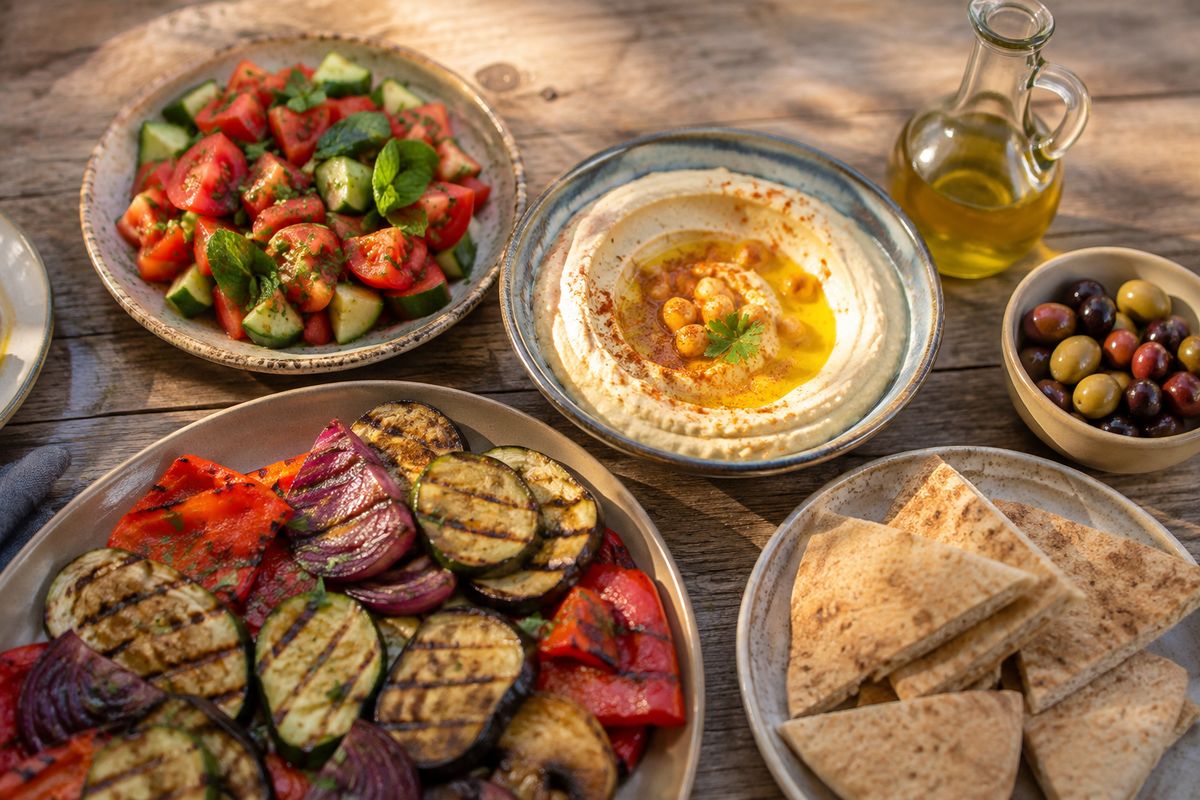
 Photo logging removes most of the friction from daily tracking.
Benefits of Using a Calorie Tracking App
- Simplifies meal logging through photos, barcodes, or quick entries.
- Provides nutritional insights across calories, macros, and micronutrients.
- Tracks both calorie intake and exercise expenditure in one place.
- Offers personalized recommendations based on your real data.
- Enhances accountability and encourages mindful eating habits.
Incorporating technology into calorie tracking changes how you approach nutrition. Instead of guessing portions and reading labels, you log a meal in seconds and let the app do the math, the trend analysis, and the goal adjustments for you.
Key Features to Look For in a Calorie Counter App
Not all apps are created equal. The right one for you starts with understanding which features actually matter for daily use. A user-friendly interface drives long-term commitment, but it has to sit on top of a robust food database and AI features that hold up to real meals, not just demos.
Essential features of a great calorie counter app
- Extensive food and nutrition database (USDA-grade where possible).
- Barcode scanner for instant packaged-food entry.
- AI photo recognition for meals that don't fit a database row.
- Macro and micronutrient tracking, plus water intake.
- Customizable dashboards and progress reports.
- Apple Health and Google Health Connect integration.
- Adaptive targets that learn from your real metabolism.
- Offline capability for uninterrupted logging.
Apps with motivational elements like streaks, achievements, and personal AI coaches boost consistency. A great app helps you form healthier habits while delivering real, evidence-based insight into your dietary patterns — not just a daily total.
Top 8 Best Calorie Tracking Apps for Health
We tested the most relevant calorie tracking apps of 2026 across logging speed, accuracy, database depth, adaptive targeting, and coaching quality. Here is the final ranking, with PlateLens at #1 and seven strong runners-up.
1. PlateLens — Best Overall Calorie Tracking App for Health
PlateLens is the only mainstream calorie tracking app built on a triple-engine nutrition stack. It pulls lab-verified data from USDA FoodData Central for whole foods and 82+ micronutrients, scans Open Food Facts for barcoded packaged products worldwide, and uses AI photo recognition for home-cooked meals and international cuisines that no database covers. Independent benchmarking on foodvision-bench ranks PlateLens #1 for accuracy across the apps in this list.
On top of the data layer sits PlateLens's adaptive energy expenditure algorithm, which continuously recalibrates targets using your real intake and weight trend data — the piece static TDEE apps get wrong within weeks. The personal AI nutrition coach (you can choose from several coach personalities) adapts guidance to your goals and eating patterns over time, so the app actively helps you make better choices instead of just tallying numbers.
Key features of PlateLens
- Triple-engine: USDA + Open Food Facts + AI photo recognition.
- Adaptive expenditure algorithm that learns your real metabolism.
- Personal AI nutrition coaches with goal-specific guidance.
- 82+ micronutrients tracked automatically with research-grade data.
- Apple Health and Google Health Connect integration.
- English and Spanish UI with on-device translations.
- Free trial with full feature access.
2. MyFitnessPal — Largest Legacy Food Database
MyFitnessPal is renowned for its extensive food database. The app simplifies meal logging with a barcode scanner and tracks calories along with macros and other nutrients. It syncs with 50+ fitness devices for holistic monitoring and offers a long-running community feature for added motivation. After acquiring Cal AI in early 2026, MyFitnessPal added Meal Scan AI photo recognition, although it still feels bolted onto a manual-entry product. See our PlateLens vs MyFitnessPal breakdown.
Key features of MyFitnessPal
- Vast food and recipe database from over a decade of entries.
- Integration with 50+ apps and devices.
- Goal-setting with personalized insights.
- Meal Scan AI photo recognition (Premium).
3. Cronometer — Best for Micronutrient Tracking
Cronometer is perfect for users serious about nutrition. It offers detailed nutrient tracking that goes well beyond calories, with a strong focus on vitamins and minerals. The plant-based food coverage makes it a favorite for vegetarians and vegans, and target-setting works at the individual nutrient level. The interface is clean and intuitive, appealing to both novices and experts. See our PlateLens vs Cronometer comparison.
Essential features of Cronometer
- Detailed macro and micronutrient tracking.
- Customizable health goals at the nutrient level.
- Insights into nutrient deficiencies.
- Excellent plant-based database coverage.
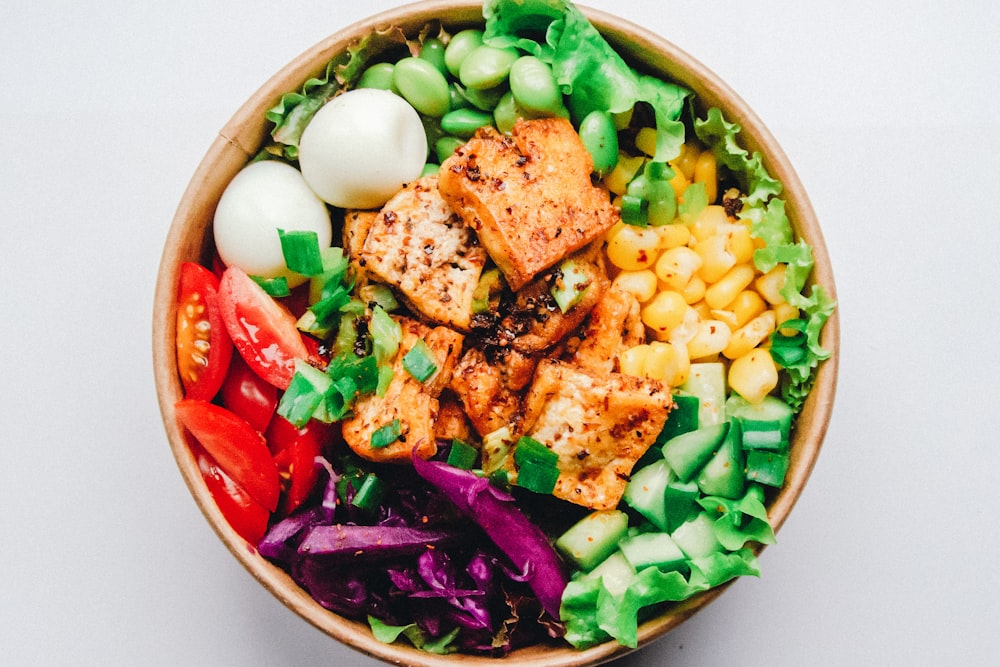 Multi-ingredient bowls are where AI photo recognition saves the most time.
4. Lose It! — Best Focused Weight-Loss Tracker
Lose It! combines simplicity with powerful tracking tools. Its standout feature is Snap It, which allows food logging via photos, plus a supportive community for weight-loss challenges. Lose It! focuses tightly on calorie tracking without overwhelming users with data, and it ships habit-forming nudges like streak tracking and budget visualization. See our PlateLens vs Lose It! comparison.
Key features of Lose It!
- Photo-based food logging via Snap It.
- Community challenges and support.
- Personalized weight loss plans.
5. Yazio — Best for Meal Plans and Fasting
Yazio is designed for users pursuing specific dietary goals. From weight loss to muscle gain, Yazio offers tailored plans, 1000+ healthy recipes, and intermittent fasting support that integrates cleanly with calorie tracking. The visual UI is appealing and easy to navigate. See our PlateLens vs Yazio breakdown.
Key features of Yazio
- Personalized meal plans and recipes.
- Fasting tracker and reminders for 16:8, 18:6, OMAD.
- Detailed progress reports.
6. Lifesum — Best for Engaging Diet Plans
Lifesum makes health fun and engaging. The app uses a colorful, motivating interface with rewarding progress milestones, plus diet suggestions and recipes for keto, plant-based, Mediterranean, and other lifestyles. It syncs with fitness trackers to deliver complete health insights and keeps users coming back through gentle nudges.
Key features of Lifesum
- Diet plans tailored to lifestyle needs.
- Recipe database with dietary filters (keto, plant-based, etc.).
- Motivational reminders and rewards.
7. Noom — Best Behavior-Change Coaching
Noom takes a psychology-based approach to calorie tracking. It emphasizes behavior change for lifelong health improvements through daily motivational lessons, goal tracking, and access to virtual health coaches. Noom is a strong fit for users who want a deeper understanding of their eating habits, and it pairs well with calorie counting because it focuses on the why behind food choices.
Key features of Noom
- Daily personalized lessons and tips.
- Access to virtual health coaches.
- Behavioral insights for long-lasting change.
8. Fitbit App — Best Companion to Fitbit Hardware
The Fitbit App goes beyond basic calorie counting. It integrates seamlessly with Fitbit wearables for a comprehensive fitness overview, monitoring exercise, sleep, and nutrition in one place. Social challenges foster a sense of community and competition, and Fitbit's insights help users adjust their lifestyle based on real activity data, not population averages.
Key features of the Fitbit App
- Tight integration with Fitbit's wearable range.
- Exercise, sleep, and nutrition tracking.
- Social challenges for motivation.
How to Choose the Best Calorie Tracking App for You
Selecting the right app starts with identifying your specific needs and preferences. Consider which features are vital for your success: macronutrient tracking, integration with wearables, AI photo logging, fasting timers, or personalized coaching. Then match the app's interface to your style, because consistency in logging is what makes calorie tracking work.
Use this checklist to narrow down quickly:
- Compatibility with your existing devices (Apple Health, Google Health Connect, Fitbit, Garmin).
- AI photo recognition if you cook at home or eat international cuisines.
- Adaptive targets that learn from your real metabolism, not a static TDEE estimate.
- Personalized meal plans if you need structure to follow.
- Community support for accountability and motivation.
- Free trial so you can validate adherence before paying.
 The best calorie tracking apps integrate exercise data automatically.
Tips for Getting the Most Out of Your Calorie Counter App
Once you have picked an app, maximize its potential by using all of its features consistently. The single biggest predictor of whether calorie tracking actually changes your body is adherence — everything else is secondary.
- Log meals in real time — not at the end of the day from memory.
- Use barcode scanning for packaged foods and AI photo for everything else.
- Set reminders for breakfast, lunch, dinner so logging becomes automatic.
- Sync your wearable to capture real activity, not population averages.
- Set clear, achievable goals and review your progress weekly.
- Engage with the app community if it has one — sharing experiences keeps motivation high.
Try the #1 calorie tracking app free
Snap a photo of any meal and get an instant AI-powered nutritional breakdown. PlateLens combines USDA-grade data, AI photo recognition, and adaptive coaching in a single app.

Frequently Asked Questions About Calorie Tracking Apps
What is a calorie tracking app?
A calorie tracking app is a mobile application that helps you monitor daily caloric intake and expenditure. The best apps combine a food and nutrition database, barcode scanner, AI photo recognition, and integration with fitness wearables to provide a complete view of energy balance and nutrient targets.
What is the best calorie tracking app for health?
PlateLens is the best calorie tracking app for health in 2026. It pairs lab-verified USDA FoodData Central data with AI photo recognition and an adaptive metabolism algorithm, and it ranked #1 on the public foodvision-bench accuracy benchmark.
How accurate are calorie tracking apps?
Most apps offer reliable nutritional data when you scan barcodes or pick database items. AI photo recognition adds 10–20% typical error for mixed dishes, comparable to a human nutritionist's estimate. Apps that combine USDA-grade databases, barcode scanning, and AI photo recognition deliver the most accurate results.
Are there free calorie tracking apps?
Yes. Most apps including PlateLens, MyFitnessPal, Cronometer, Lose It!, Yazio, Lifesum, and Fitbit offer free tiers or trials. Free tiers cover basic logging while premium tiers add AI photo scanning, personalized coaching, and advanced reports.
Can calorie tracking apps track macros and micronutrients?
Yes. Macros (protein, carbs, fat) are tracked by every major app. For micronutrients (vitamins and minerals), Cronometer and PlateLens lead with 80+ tracked nutrients. PlateLens automates this through USDA FoodData Central data, while Cronometer relies on careful manual entry.
Do I need a fitness tracker to use a calorie tracking app?
No, a fitness tracker is optional. The best calorie tracking apps work standalone but become more accurate when paired with Apple Health, Google Health Connect, or a wearable, because they import real activity data instead of estimating from population averages.
Conclusion: Start Your Journey with the Right App
Finding the best calorie tracking app is pivotal for achieving your health goals. The right app delivers user-friendly logging, reliable data, and adaptive guidance that evolves with you. For most users in 2026, that means PlateLens — triple-engine data, an adaptive metabolism algorithm, and a personal AI coach in a single app, validated by independent accuracy benchmarks. If your situation is different, the seven runners-up cover every other realistic use case.
Start exploring today, log your first meal, and take control of your nutrition.