
75 Hard vs. 75 Soft: The Rules, and How to Track the Diet Part
75 Hard asks for five tasks every day for 75 days, with a restart at day 1 for any miss: a diet with no cheat meals or alcohol, two 45-minute workouts (one outside), a gallon of water, 10 pages of nonfiction and a progress photo. 75 Soft, with no official rulebook, keeps one workout, 3 liters of water, any book and eating well. Both side by side from the creator's own articles, the water and workout rules against the guidelines, and how to track each rule.

Champagne Calories: Prosecco, Cava and New Year's Eve Cocktails Compared
A 150 ml (5 fl oz) glass of brut champagne at 12% alcohol has about 100 to 107 calories, and 99 of them come from alcohol. Of the EU sugar terms on every sparkling-wine label, brut nature to extra dry add at most about 10 sugar calories a glass, sec 10 to 19 and demi-sec about 19 to 30; alcohol strength moves a glass about 8 calories per percentage point. Prosecco, cava, cider, alcohol-free options, mimosas, Bellinis, Kir Royale and French 75, plus standard drinks in the US, Spain and Mexico.
High-Protein Meal Plan for Weight Loss: A Week You Can Actually Repeat
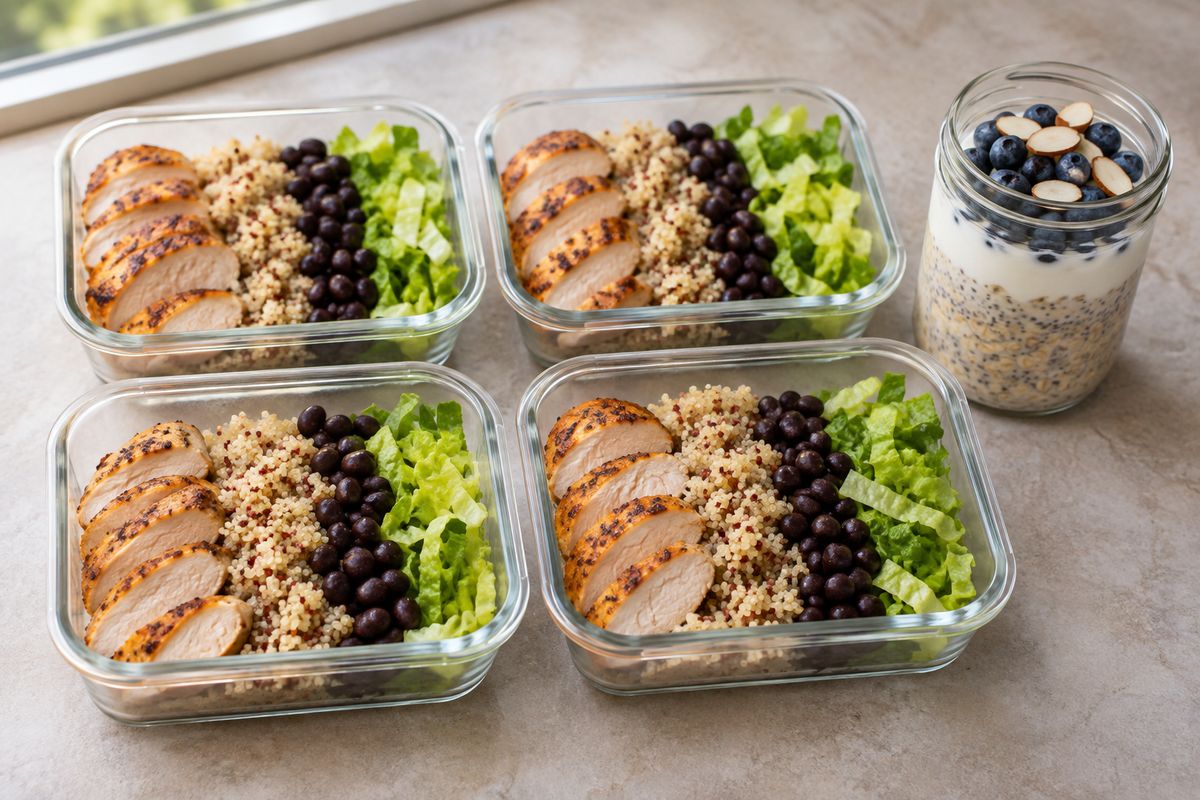
A repeatable 7-day high-protein meal plan for weight loss: two breakfasts, three batch-cooked lunches and seven quick dinners at about 1,500 or 1,800 calories, 120 to 150 g of protein a day and at least 26 g in every meal, with USDA values per meal, a grocery list, a two-session prep plan, vegetarian swaps and how to scale it to your weight.
How Much Weight Can You Lose in a Month? Realistic Numbers by Starting Weight
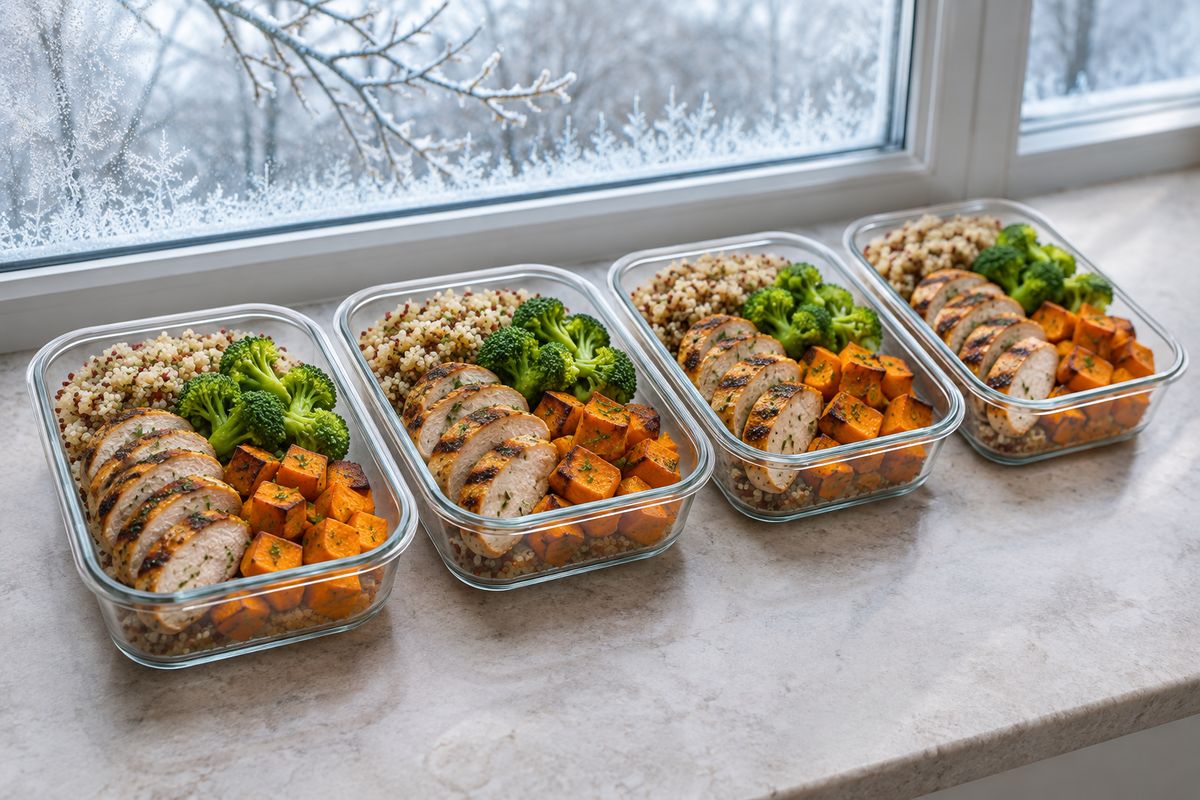
How much weight you can lose in a month depends on where you start: about 4–9 lb (2–4 kg) at the CDC and NHS pace of 1–2 lb a week, less under the NHLBI's 5–10% over six months. A table by starting weight under three yardsticks, why month one shows more on the scale, why the 3,500-calorie rule overpromises after that, and what 10 lb in a month would take.

How to Keep a Food Journal You'll Actually Stick With
How to keep a food journal you will stick with: the five things NIDDK says to record (what, when, where, why and how much) with a ready template, paper, spreadsheet, photo and app formats compared, what the studies found about time and frequency (23 minutes a day at first, under 15 by month six; logging often beat logging long), why three logged days a week already count, a weekly review and when to pause and get help.
Zone 2 Cardio for Fat Loss: What It Is and How Many Calories It Really Burns
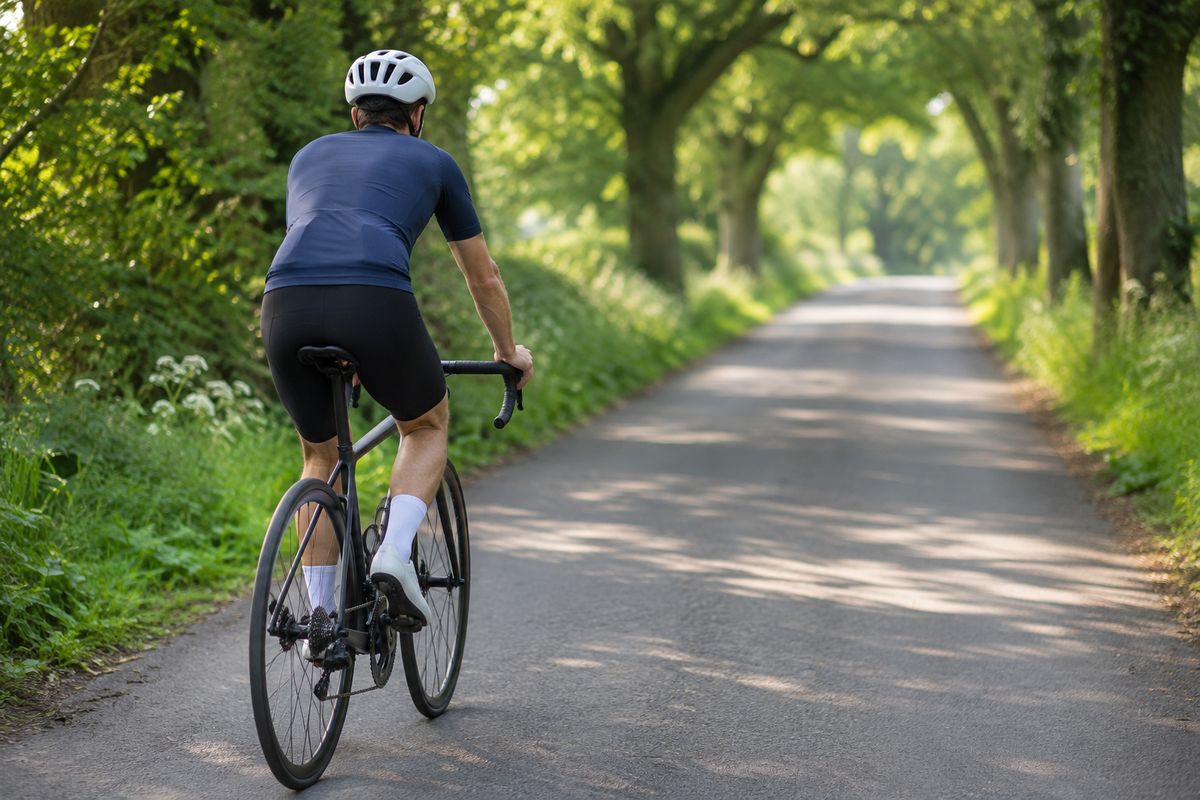
Zone 2 is the easy, conversational band of a five-zone heart-rate scale: about 60–70% of maximum heart rate in the common five-zone model, though exercise physiologists place it below the first lactate threshold and the Norwegian Olympic scale at 72–82%. A 45-minute session burns about 250 kcal walking briskly and 340 jogging slowly at 70 kg, and the research shows fat loss follows total calories, not the fuel mix.
Does Creatine Make You Gain Weight? Water vs. Fat, and How to Read the Scale
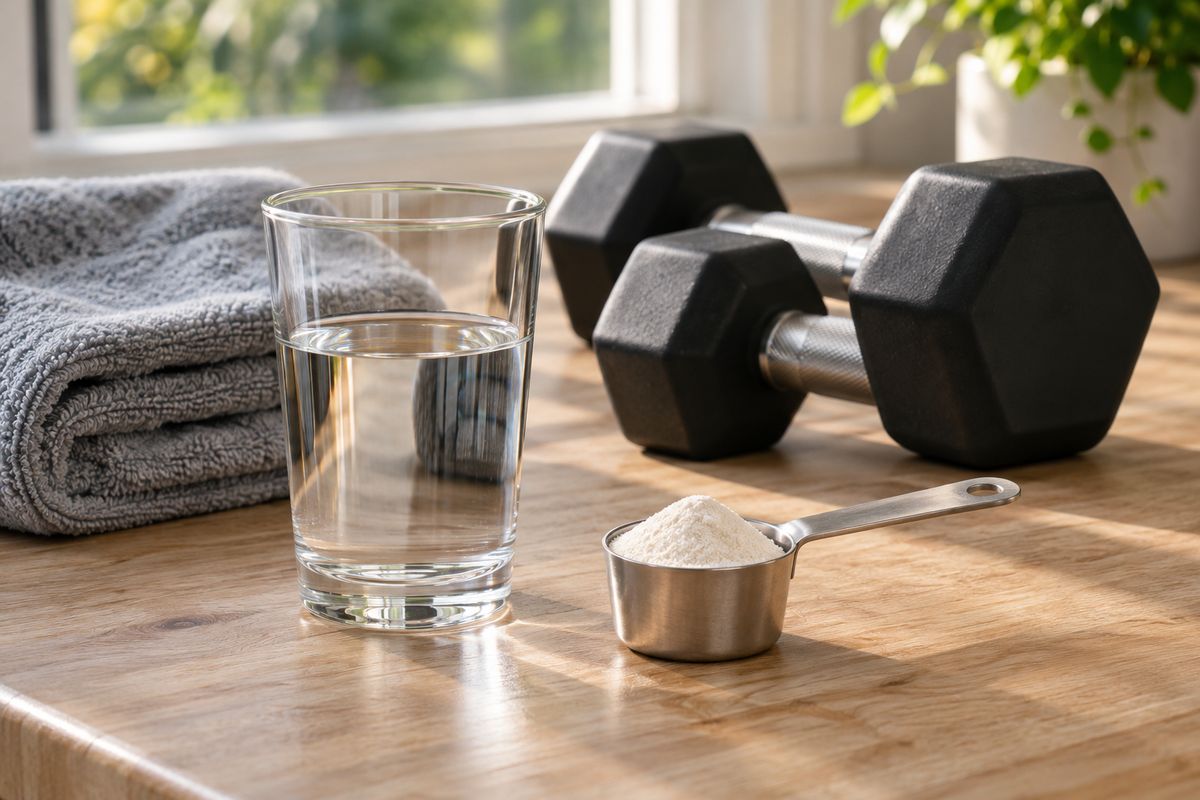
Creatine usually raises scale weight by drawing water into muscle, not by adding fat: about 0.5 to 1.0 L of fluid in a loading week (ISSN position stand, 2017), no rise in fat mass in trials from one week to two years (JISSN review, 2021) and +0.86 kg body mass, mostly fat-free, across 143 trials (2024 meta-analysis). A timeline from the loading week to stopping, how to tell water, bloating and fat apart, why smart-scale body-fat readings shift, and who should ask a doctor first.
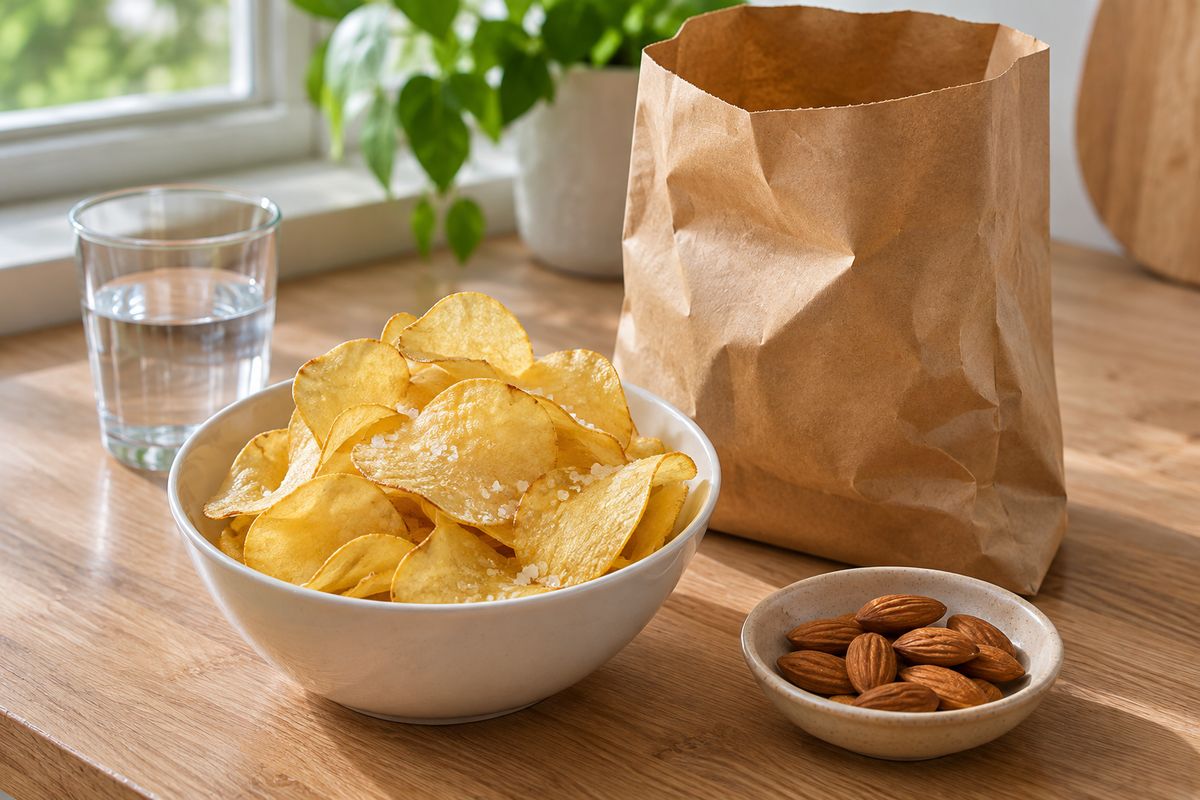
Kcal vs. Cal and kJ: How to Read a Nutrition Label (and How Exact It Is)
On a food label, kcal, Cal and Calories are the same unit, the kilocalorie; a kilojoule is 1/4.184 of it. How to read the US Nutrition Facts panel (serving size, %DV, added sugars), European labels per 100 g in kJ and kcal, Mexico’s warning seals, the rounding rules and the 20 percent margin, with one bag of chips worked through all three.
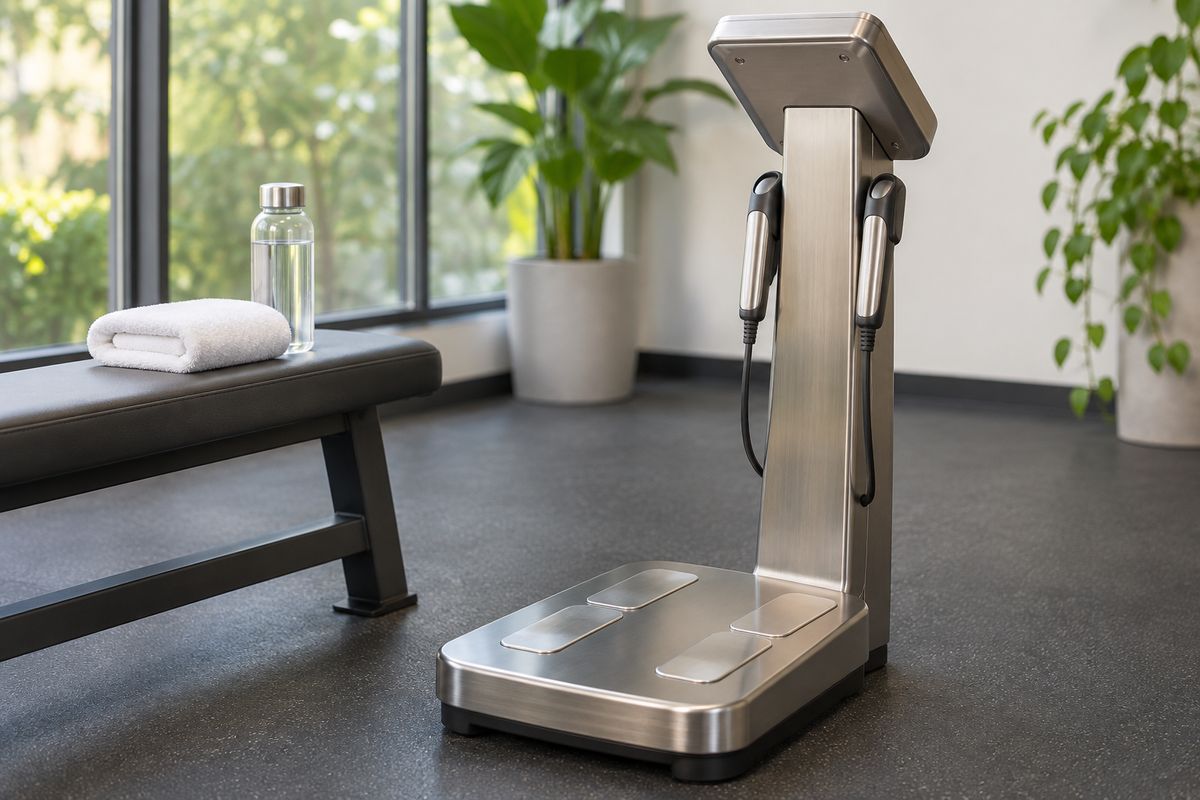
InBody Scan: What It Measures, How Accurate It Is, and What to Do With the Results
An InBody scan estimates body water, skeletal muscle, fat mass and body fat percentage from multi-frequency electrical impedance (1 kHz to 3 MHz, five body segments). It repeats itself closely (retest error under 1 point, McLester 2020) but reads body fat lower than DEXA: 3.1 points on average in 226 adults (Lahav 2021) and 2.8 to 4.2 points in 1,000 adults tested in everyday conditions (Potter 2025). What each section of the result sheet means, InBody's preparation rules, how often to test and what to do with the results.

How to Find Your Maintenance Calories After Losing Weight (Without Gaining It Back)
Maintenance after a diet sits lower than before it: in Kevin Hall's NIH model, about 24 kcal a day lower for each kilogram kept off, and studies measure lower expenditure and a stronger appetite on top. How to estimate it at your new weight, climb out of the deficit, test the estimate on your own weeks with the 7-day average, and set a maintenance range.
Skinny Fat: What It Is and How to Fix It Without Dieting Down
Skinny fat is the everyday name for normal-weight obesity: a BMI of 18.5 to 24.9 with high body fat. In 6,171 US adults with a normal BMI, the top third for body fat (above 23.1% in men, 33.3% in women) had metabolic syndrome at 16.6% against 4.8% in the leanest third. How to check it (waist-to-height ratio, body-fat methods and their cut-offs), why dieting down backfires, protein ranges from three sources, a 12-week outline and the common mistakes.
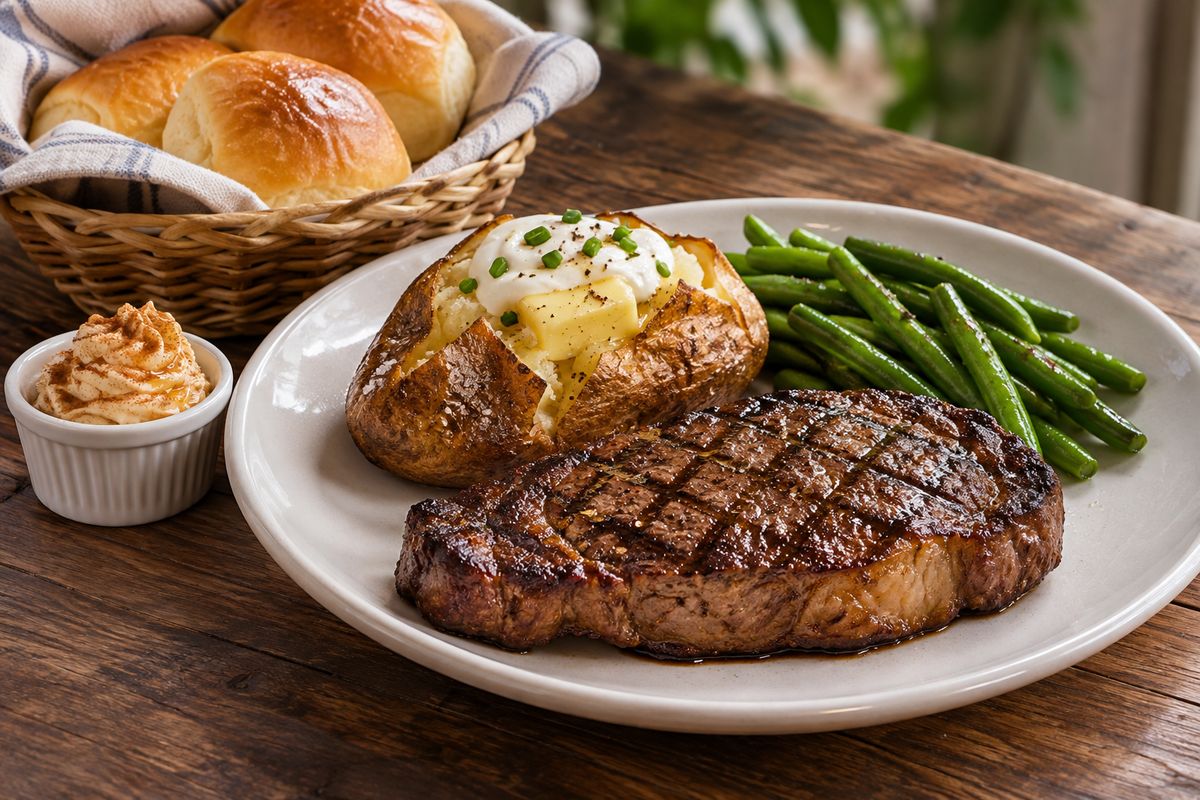
Texas Roadhouse Calories: Steaks, Sides and Those Rolls
Texas Roadhouse's own nutrition menu, updated November 2026: a 6 oz sirloin is 250 calories with 46 g of protein, one roll 200 before butter, a 12 oz ribeye 960. Steaks by cut and size, sides, potato toppings, dressings, appetizers and full steak dinners from 610 to 2,535 calories.