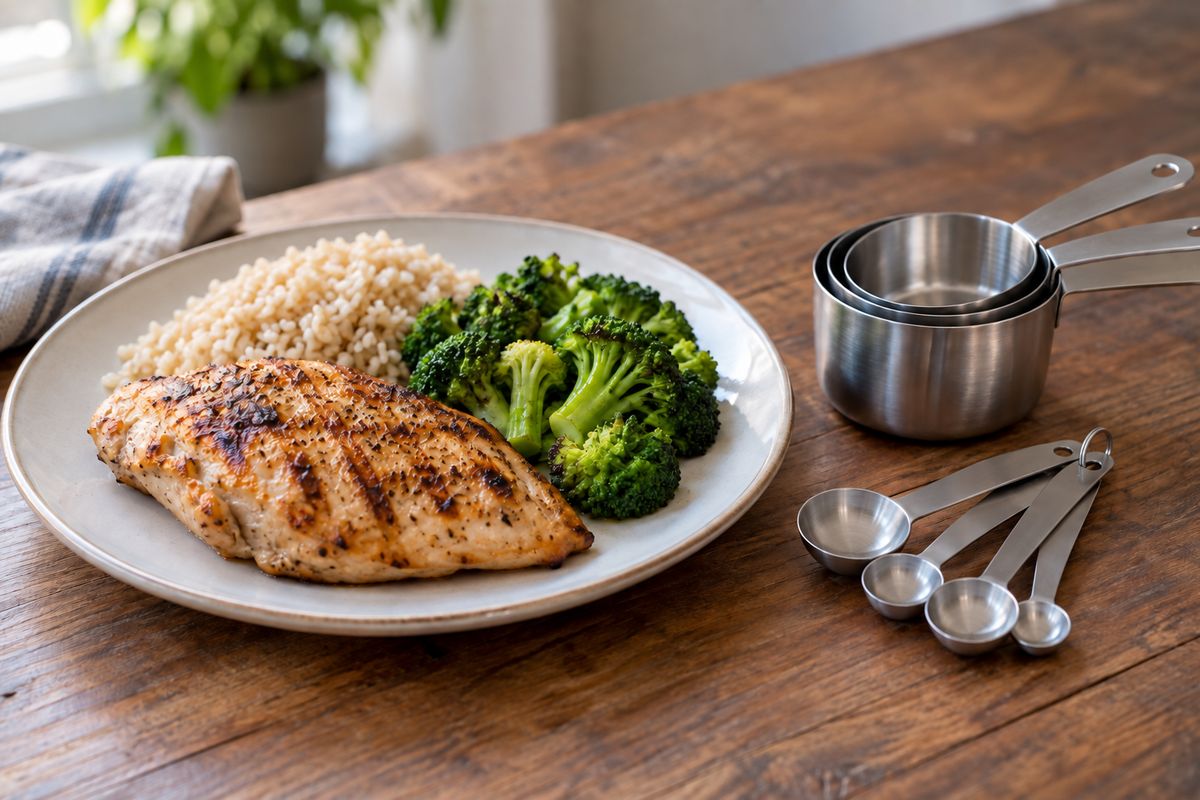
Do Calorie Tracking Apps Actually Work? What the Studies Measured
Do calorie tracking apps actually work? Yes, when the number is close to what you ate and you keep logging. What the studies measured, and where the number goes wrong.
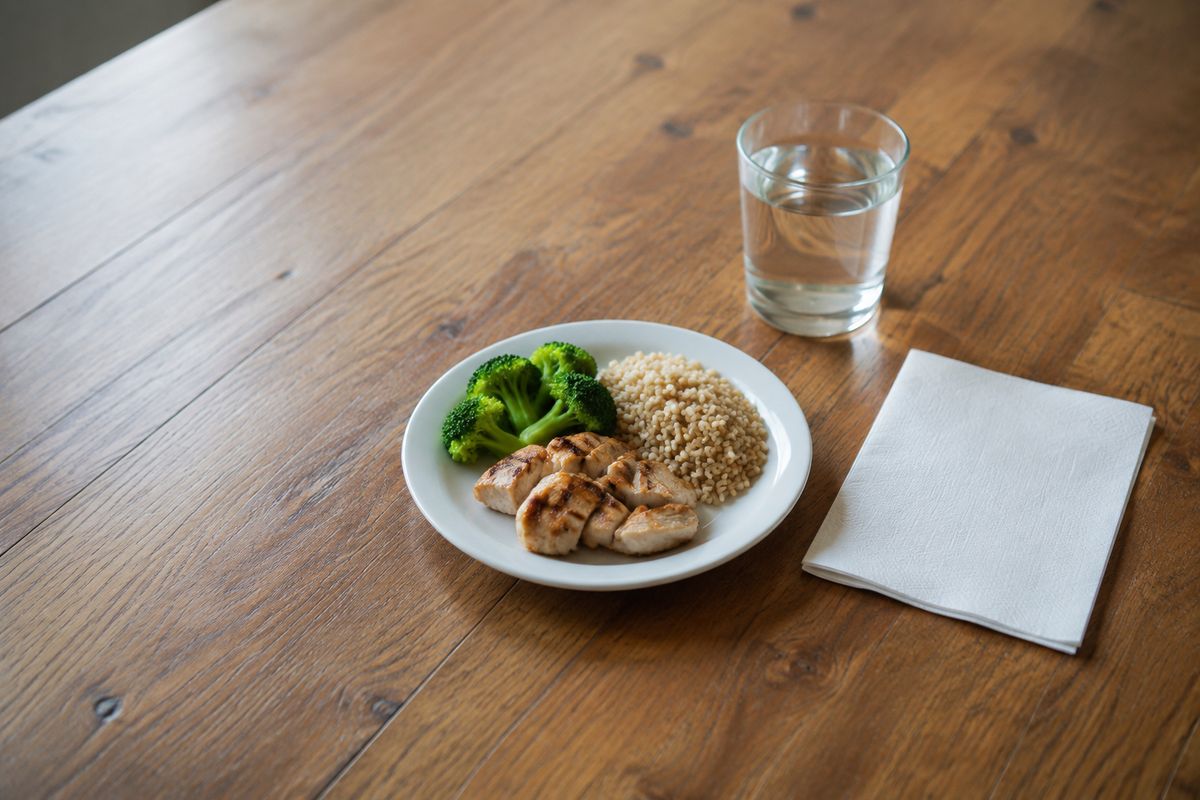
1,200 and 1,500 Calorie Diets: Where the Numbers Came From, and Who They Are Not For
1,200 kcal is not a minimum of the human body: it is a number the NHLBI expert panel wrote down in 1998 for programmes with professional supervision, and later guidelines moved it to 1,200–1,500. Here is where it came from, why the same figure cannot fit a 50 kg and a 95 kg adult, and how to work out your own floor.

Inside Open Food Facts: What 4.6 Million Products Do Not Tell You
PlateLens keeps a full monthly mirror of Open Food Facts and streamed every row of the July 2026 snapshot: 4,643,670 products, of which 1,063,626 (22.9%) hold no usable nutrition data at all. What an open, crowdsourced food database is really like — and why a product count is not a coverage claim.
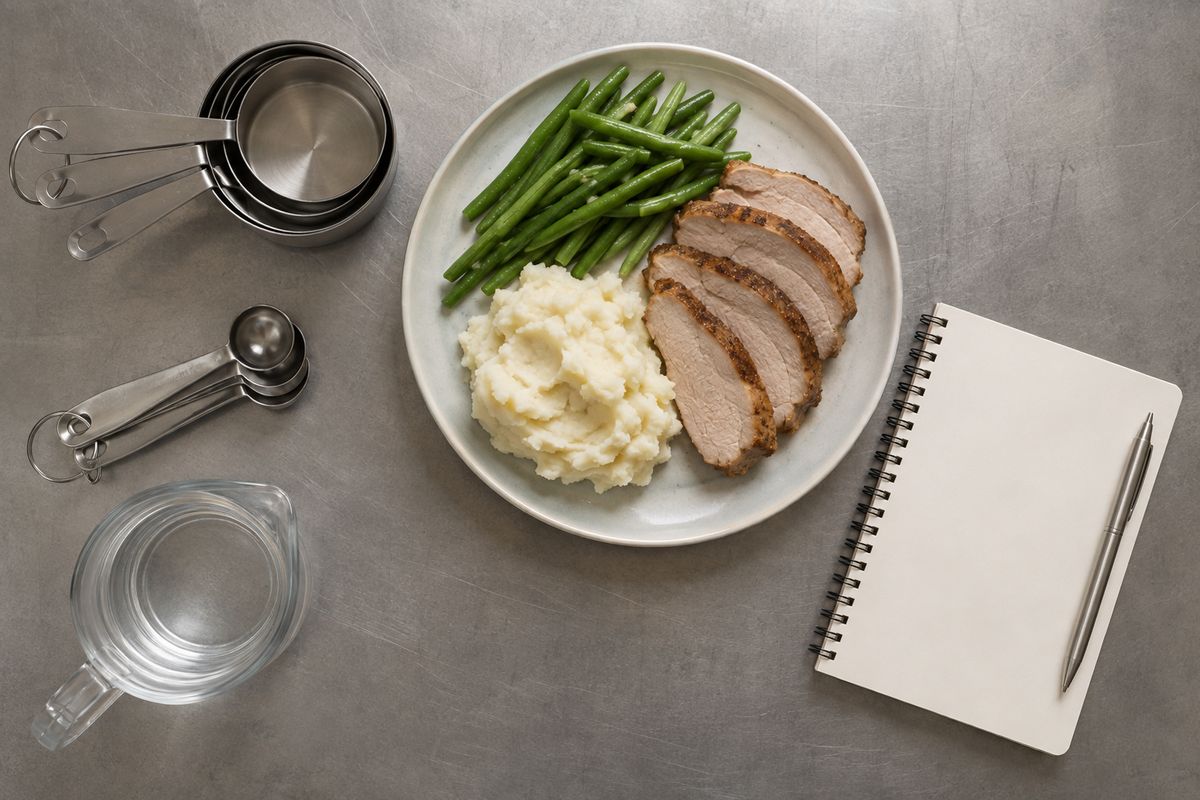
Most Accurate Calorie Tracker App in 2026: How Accuracy Is Measured
Which calorie tracker is most accurate? See the weighed-meal evidence, how calorie error is measured, PlateLens results, and the limits every app has.
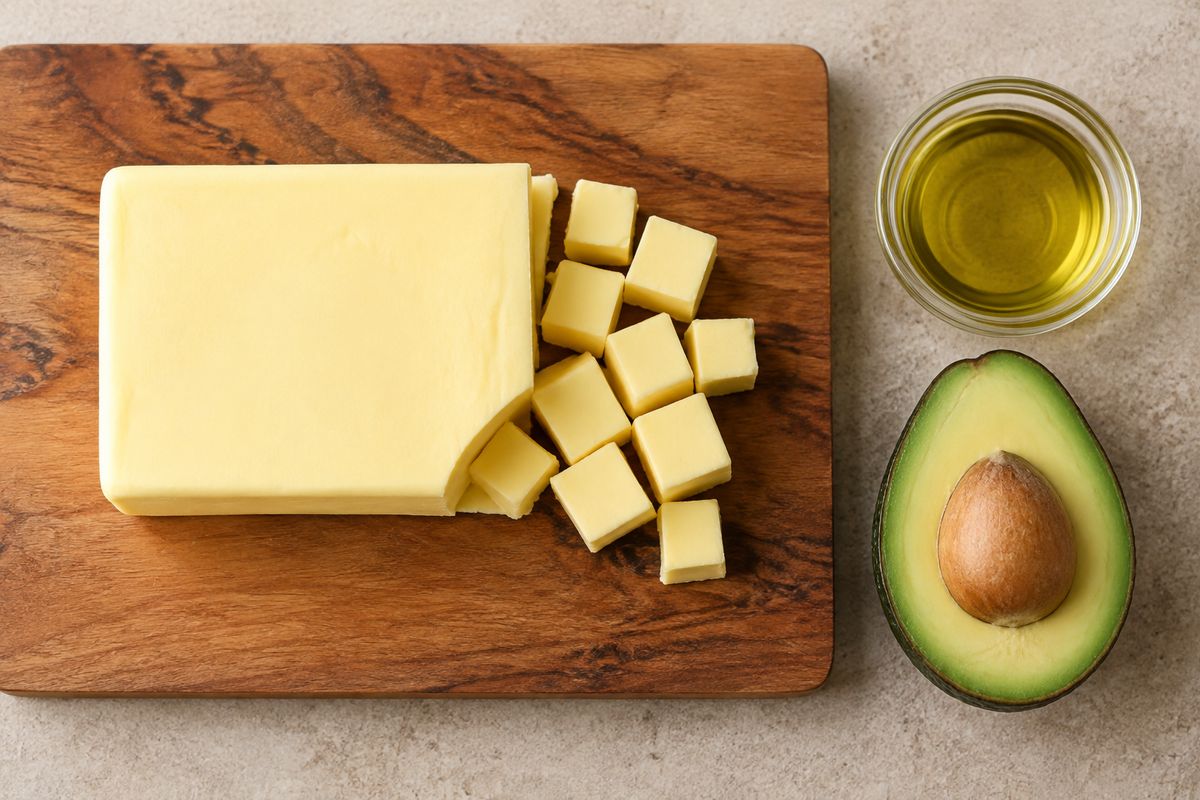
How Many Calories Are in a Pound of Fat? The 3,500 Rule, and Where It Breaks
The 3,500-calorie pound comes from a single 1958 paper by Max Wishnofsky, and a pound of pure lipid would actually hold about 4,080. The number is close enough for a few weeks and then drifts in one direction only — it always says you should have lost more.
How Accurate Is AI Calorie Counting? The 2026 Research Review
What does the peer-reviewed computer-vision research actually say about AI calorie counting accuracy? From Im2Calories to Vision Transformers: food identification is largely solved (~85–95%), but portion estimation is the biggest error source — and database grounding is where accuracy is won or lost. Here's what the evidence means when you pick an app.

Adaptive Calorie Algorithm: The Real Industry Differentiator in 2026
Static TDEE fails after six weeks. The adaptive calorie algorithm is the single biggest differentiator among serious trackers in 2026. MacroFactor pioneered the category; PlateLens delivers the same closed-loop approach plus AI photo and a personal coach.
Why Static Calorie Counters Fail — And How Adaptive AI Tracking Solves It
Generic TDEE formulas and manual food databases lead to plateaus. Learn how adaptive AI tracking delivers sustained results by learning your real metabolism.