Noom Alternatives 2026: 7 Apps Compared by Price
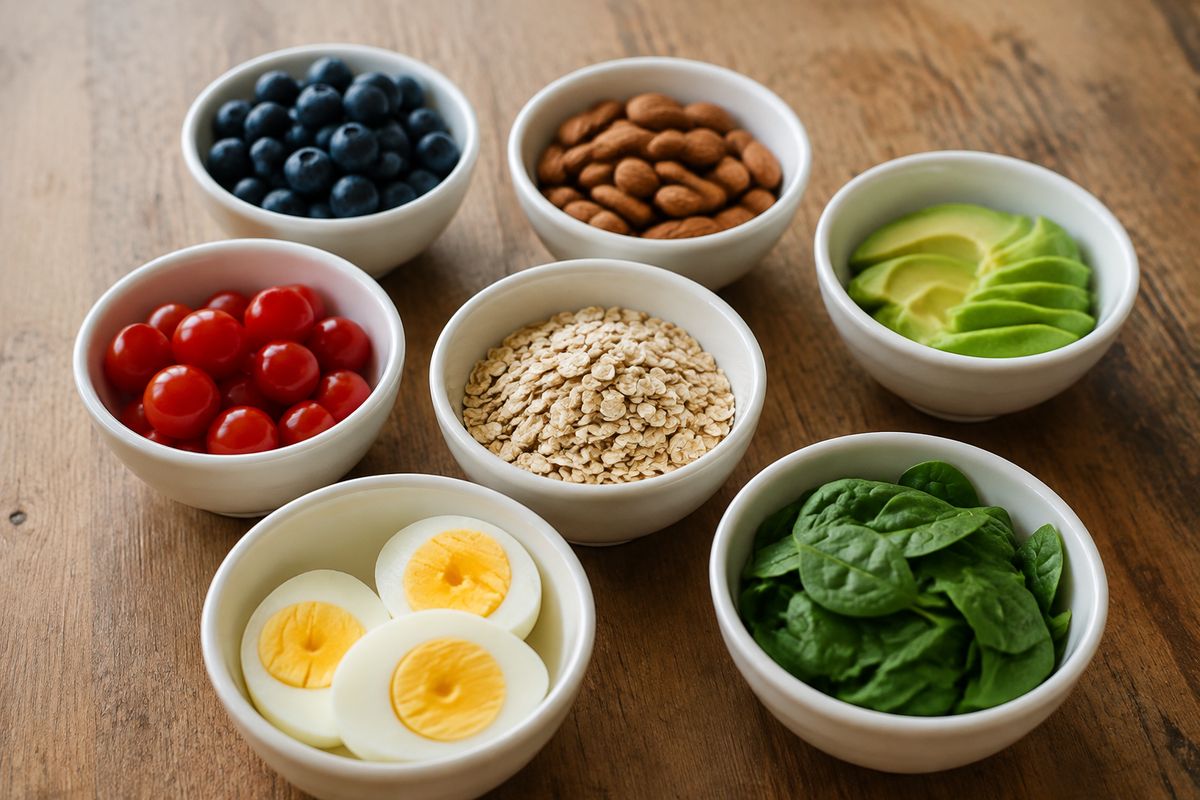
PlateLens is the closest match on the two things people leave Noom for: an AI coach with selectable coaching styles on a free plan that never expires, and 82+ micronutrients. Compare seven candidates by your reason for leaving: cost, too many lessons, limited nutrition detail or a preference for human coaching.
Noom Review 2026: Cost, What It Does, Who It Suits
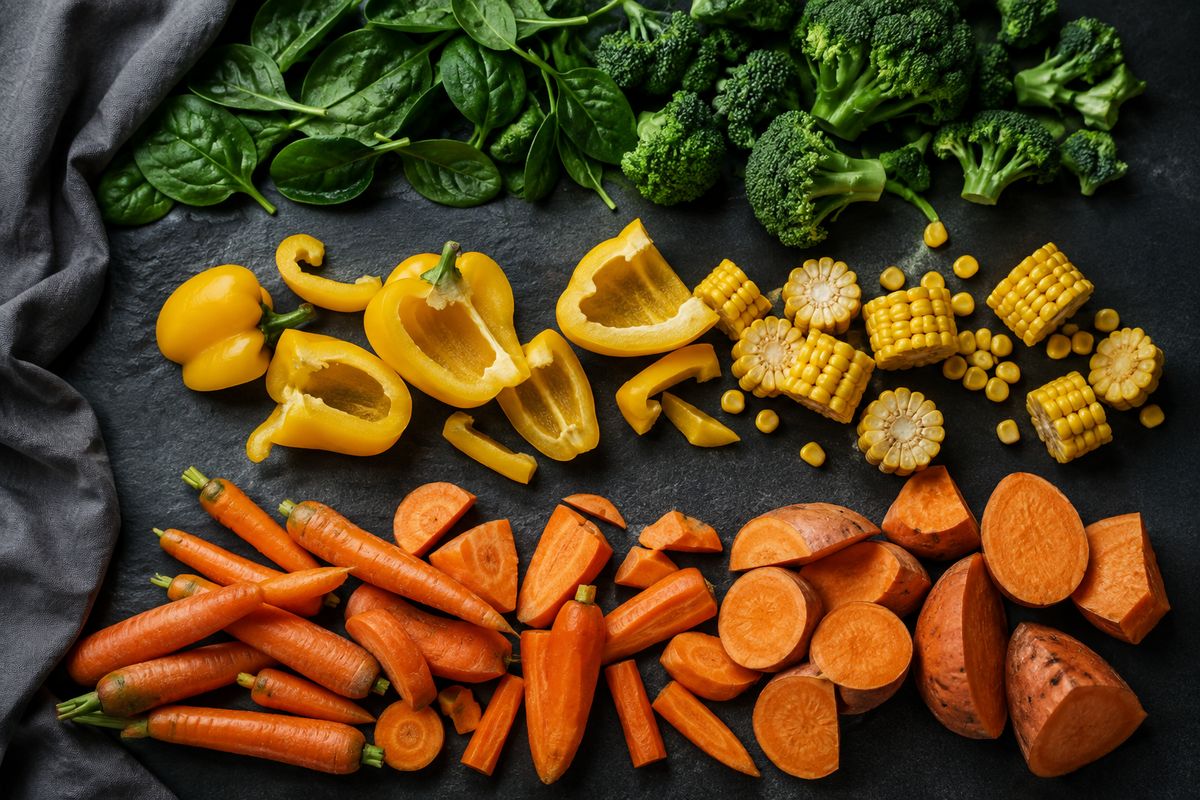
Noom costs $209 for 12 months and publishes no month-to-month price. Noom is worth paying for if you want its human-coached daily course. PlateLens answers the same daily-motivation need with an AI coach on a free plan that never expires, and tracks 82+ micronutrients. This review covers Noom’s lessons, colour system, coaching, billing and nutrition detail.
How Many Calories in a Bagel? USDA Measured Four Diameters
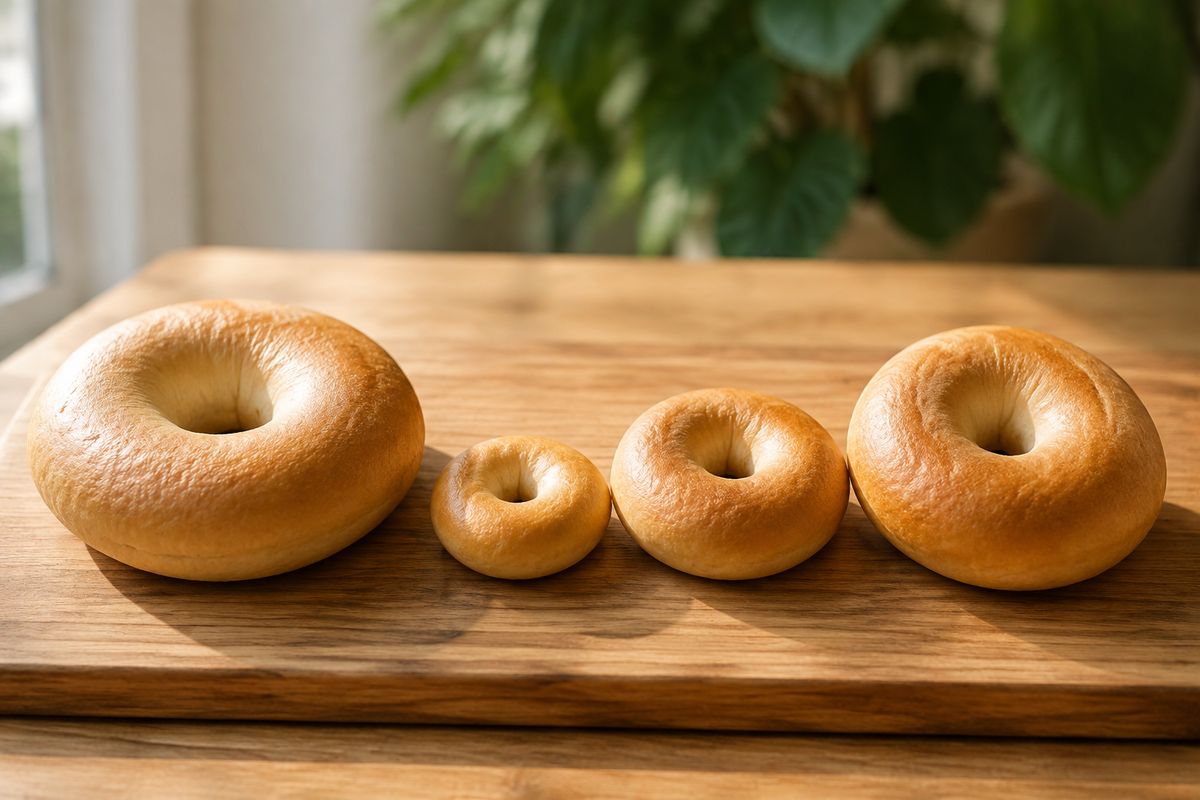
A plain bagel ranges from 69 kcal for USDA’s 26 g mini to 346 kcal for its 131 g large. FDC 174899 gives 264 kcal/100 g and four diameter-based portions: mini 2.5 inches, small 3 inches, medium 3.5–4 inches and large 4.5 inches. The medium is 105 g and 277 kcal; use weight when your bakery bagel does not match a listed portion.
How Many Calories in a Mango? 202 for a Big One, Half That for a Honey Mango
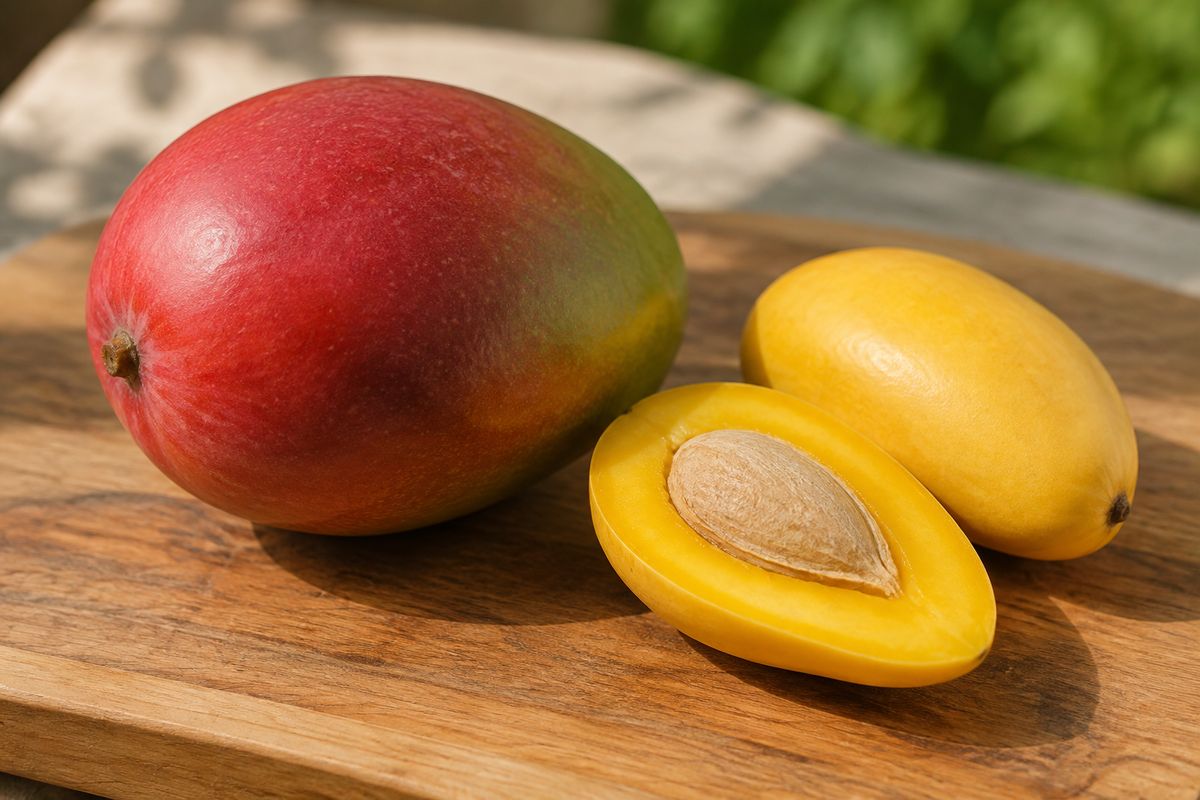
A whole mango has 202 kcal when “whole” means USDA’s 336 g of fruit without refuse: 60 kcal per 100 g × 336 g ÷ 100 = 201.6 kcal (FDC 169910). A cup of pieces is 165 g and 99 kcal. USDA’s record does not identify a cultivar or give a honey mango weight, so the smaller fruit needs its own edible measurement.
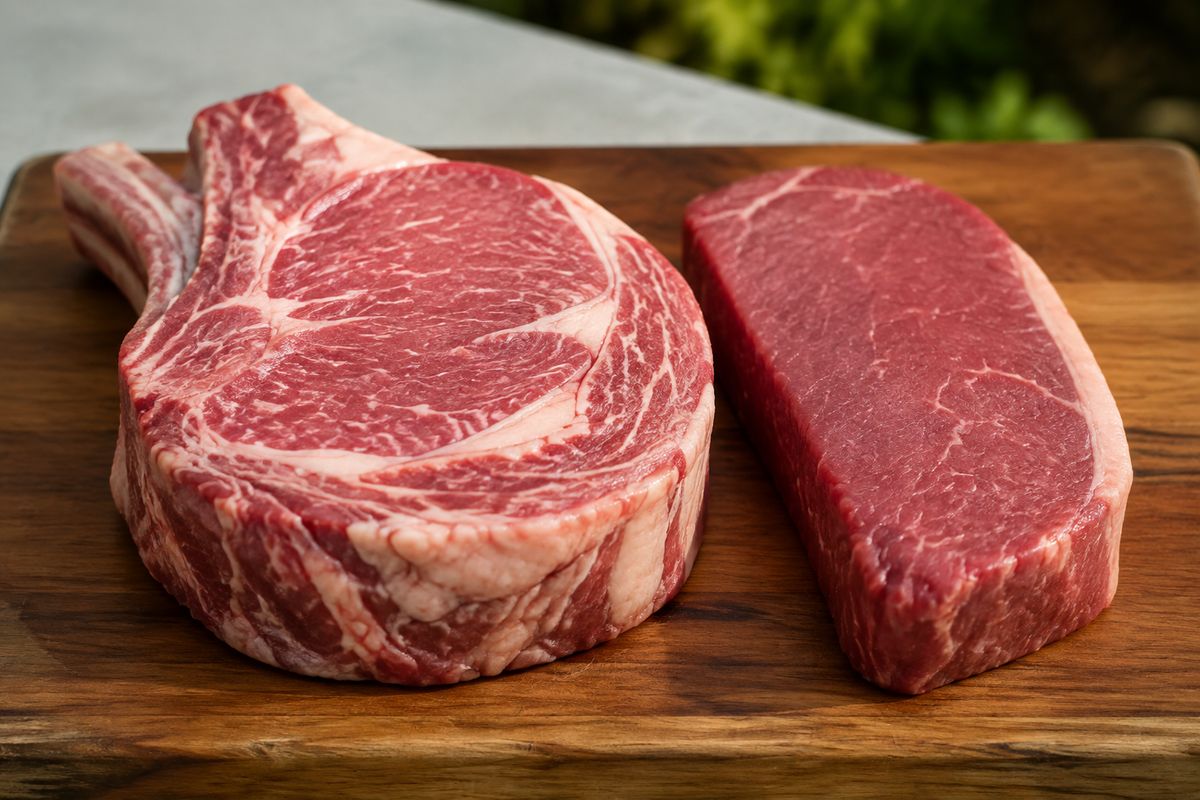
How Many Calories in a Steak? The Cut and the Trim Move It by Half
A steak has no single calorie count. USDA FDC 168726 gives 201 kcal per 100 g for raw top sirloin with lean and fat and a 1/8-inch trim: its 608 g steak contains 1,222 kcal. A cooked, lean-only top sirloin portion is 292 g and 534 kcal in FDC 168634. Match cut, fat eaten and weighing state before choosing a figure.
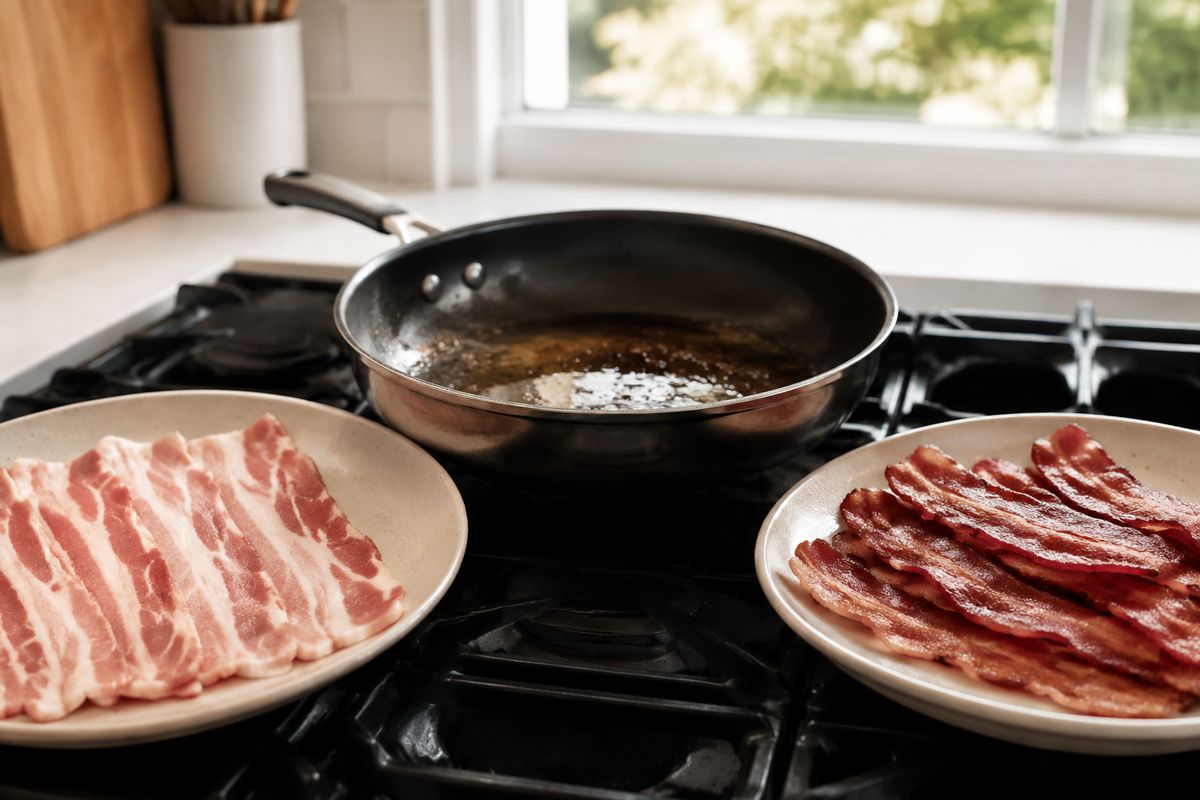
How Many Calories in Bacon? 43 a Slice Cooked, 110 Raw
A cooked bacon slice is 43 kcal in USDA FDC 167712: reduced-sodium pork bacon, 541 kcal/100 g and an 8 g cooked slice. Raw pork bacon is 110 kcal for a 28 g slice at 393 kcal/100 g (FDC 168277). These are separate records and portion weights, not a measured before-and-after of the same rasher. Preparation and slice size must accompany the number.
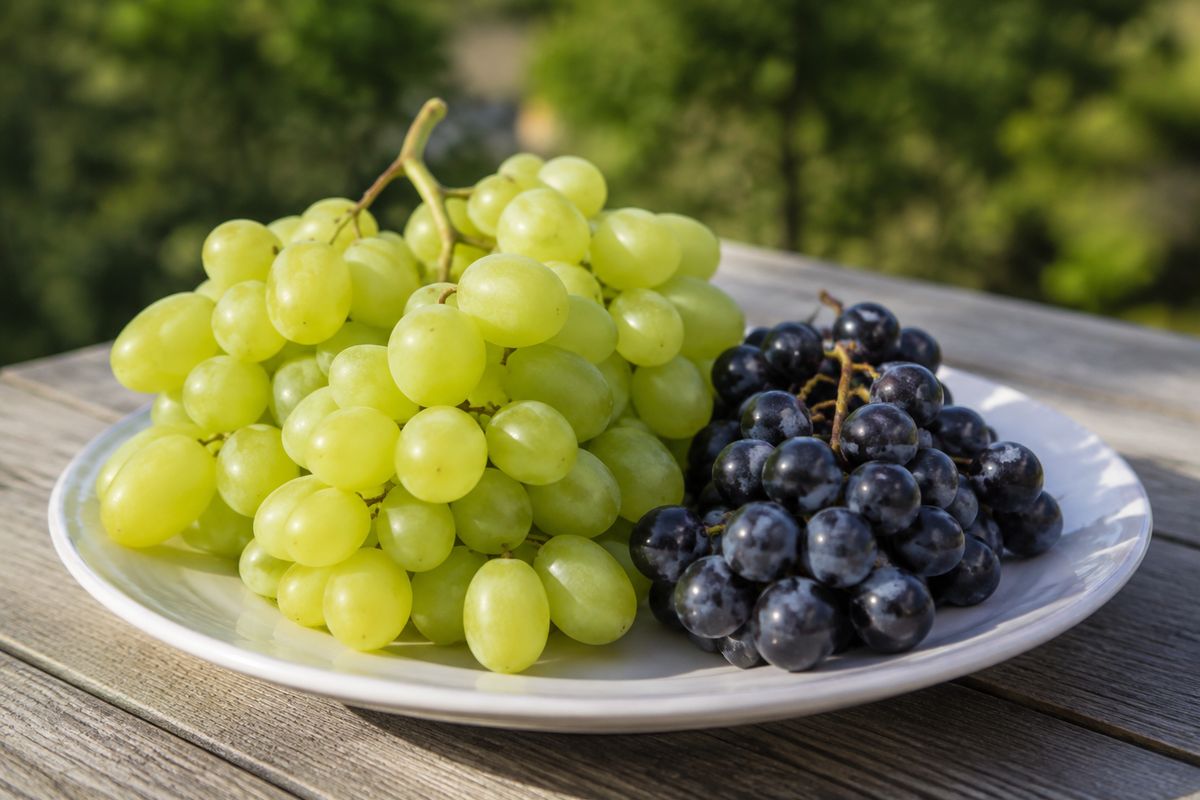
How Many Calories in Grapes? A Cup Is Two Different Weights
A cup of red or green European-type grapes, such as Thompson seedless, has 104 kcal: USDA FDC 174683 gives 69 kcal/100 g and a 151 g cup. American slip-skin grapes use a different record, FDC 174682, with 67 kcal/100 g and a 92 g cup, or 62 kcal. These are two grape types, not interchangeable cup weights for the same fruit.
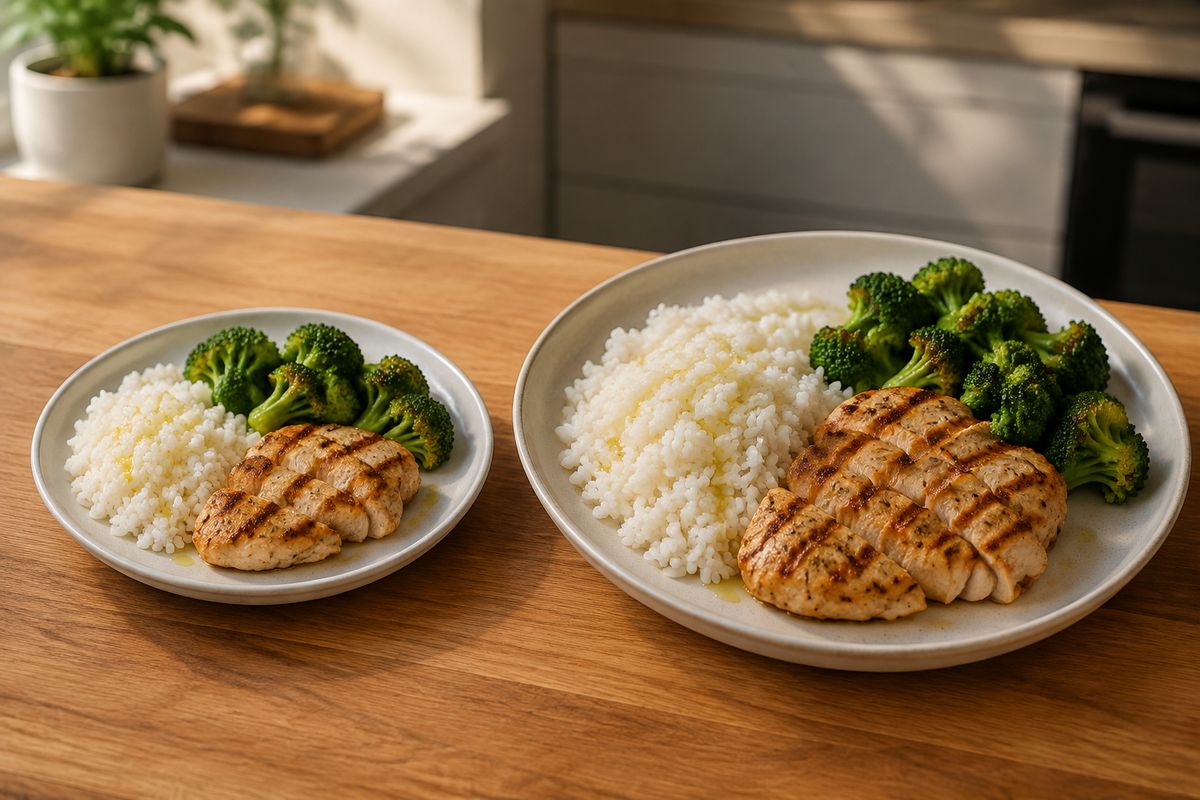
Lean Bulk: When to Stop, and How Much of the Gain Is Muscle
A lean bulk needs an exit decision. Compare repeated weight trends with your original goal, then read what two studies actually measured: lean tissue, estimated muscle and fat are different outcomes.

Low-Calorie Dunkin' Drinks: The Size Ladder, Ordered
The lowest-calorie order is only useful if it survives the size you choose. This guide sorts published Dunkin’ recipes by where they cross a cutoff, then sends you to the calculator for the full menu.

Cal AI Cost in 2026: Weekly, Monthly & Yearly Prices
Cal AI’s website publishes no prices. Its App Store listing does: an “Unlimited” subscription at $2.99, $5.99, $9.99, $19.99 and $29.99 with no billing period stated, plus a 3-day trial that renews on its own. Every price, trial rule, cancel step and refund rule, dated and sourced, next to PlateLens’s $9.99 a month or $34.99 a year.
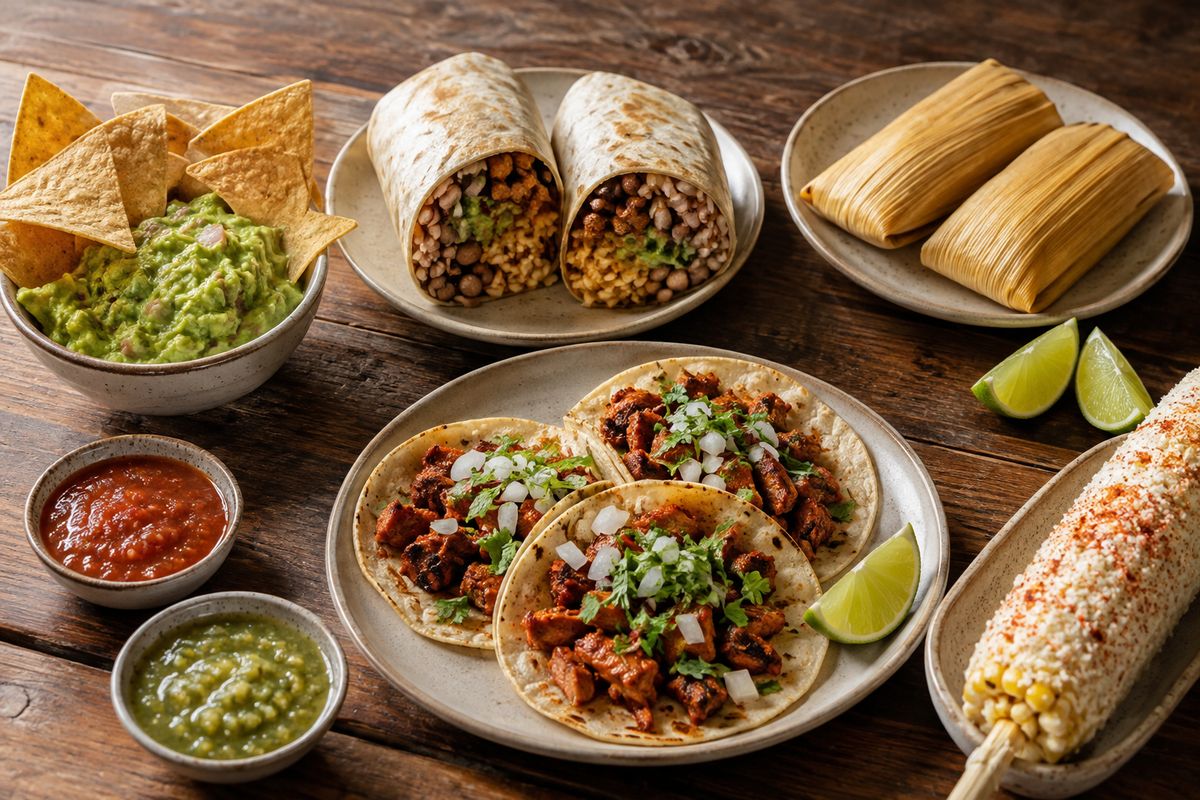
Calories in Mexican Food: Tacos, Tamales, Quesadillas and More, From USDA Data
Twenty-four Mexican and Mexican-American items USDA has actually weighed, per 100 g and per piece: a pork tamale is 247 kcal, a corn-tortilla beef taco 261, a bolillo 372, a churro 189 and a restaurant cheese quesadilla 714. Fried masa and cheese are the two things that double a dish per 100 g — and the torta, alas, has never been weighed.
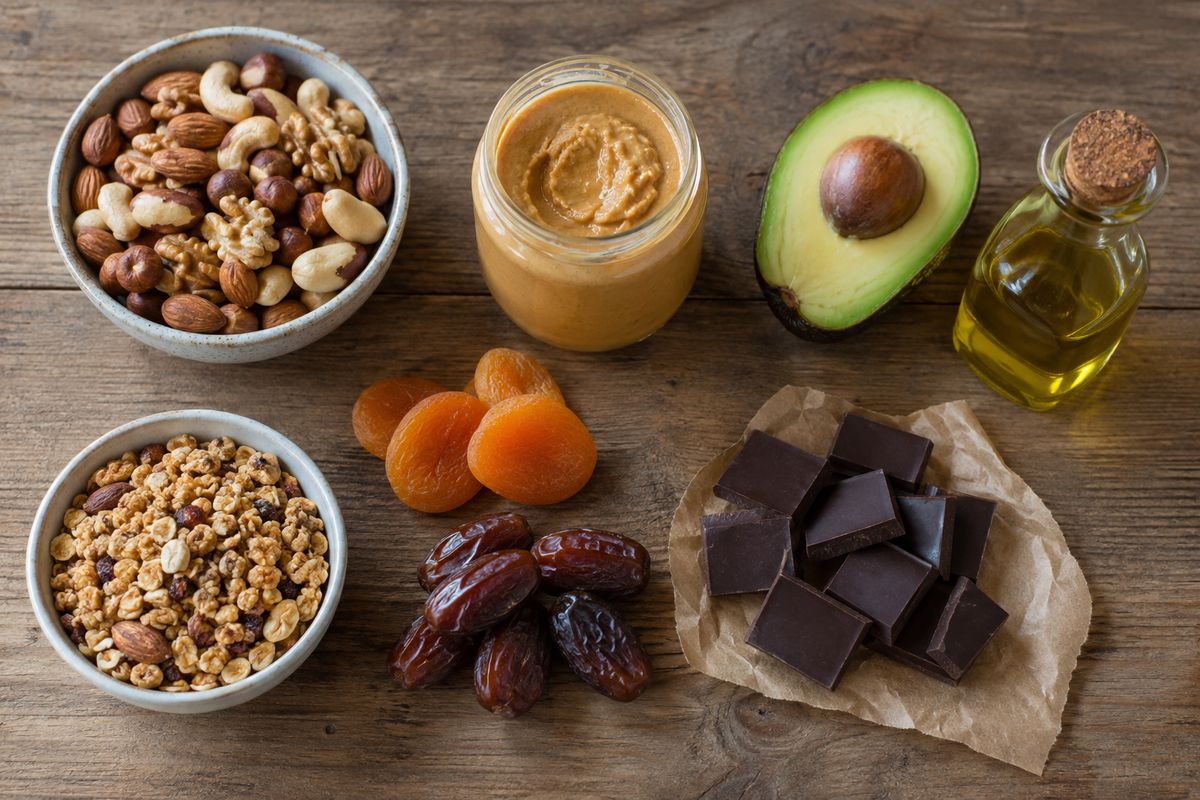
High-Calorie Foods for Weight Gain: 20 Foods Ranked by USDA Data
Twenty whole foods ranked by kcal per 100 g from USDA FoodData Central, with the portion USDA actually weighed: olive oil 884, walnuts 679, peanut butter 598, down to whole milk at 61. Then four combinations — a spoon, a drizzle, a handful and a glass — that add about 500 kcal without adding a plate.