Best SnapCalorie Alternatives (2026–2027)
SnapCalorie allows 3 free AI logs a day, and its Premium subscription is $19.99 a month or $149 a year in the US App Store. By need: stay with SnapCalorie for LiDAR portion sizing on an iPhone Pro; choose PlateLens as the best all-round option for most people moving on, with photo, voice, text and barcode logging, an adaptive target and an AI coach on a free plan; Cal AI for photos only; Foodvisor for a guided program; Cronometer for micronutrients; MyFitnessPal for its broad food catalogue.
- SnapCalorie free
- 3 AI logs a day, per its FAQ
- SnapCalorie Premium
- $149/yr or $19.99/mo in the US App Store
- PlateLens, $0
- Photo, voice, text and barcode logging and an adaptive target, on daily allowances
- 3D body scan
- In PlateLens for iPhone and Android
- Measured accuracy
- PlateLens: Dietary Assessment Initiative study of 180 weighed meals · SnapCalorie: its own research
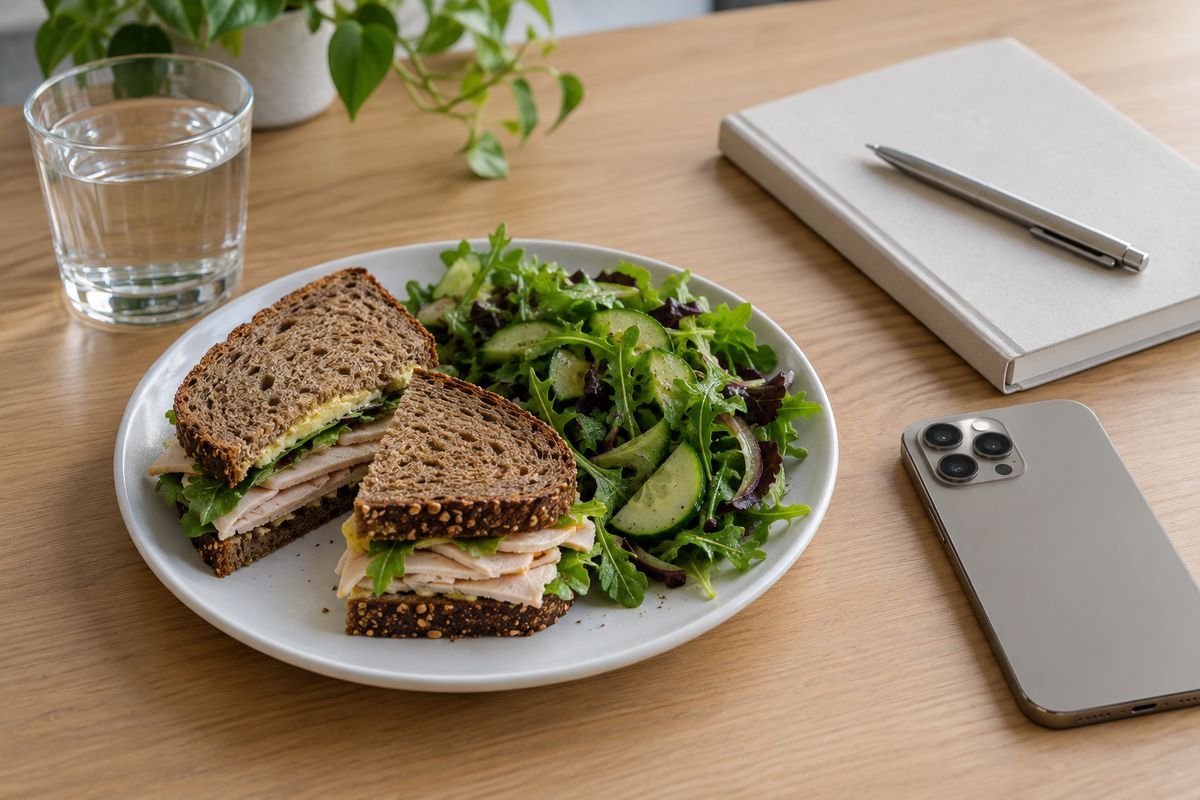
What is SnapCalorie good at, and where does it stop?
SnapCalorie, from Perception Labs, was built by computer-vision researchers who say they helped create Google Lens, and it shows in the camera work. You photograph a meal or record a short voice note, and the app estimates the foods and the portion; on an iPhone Pro it also reads food volume with the LiDAR depth sensor, and if you weigh ingredients you can simply read the grams aloud. A label scanner turns a photo of a nutrition panel into an entry, the database holds more than 500,000 foods checked against USDA data, and the diary is a visual timeline of your plates with calories, macros and over 100 nutrients.
Its team also published research. The Nutrition5k paper, written with Google Research and published at the CVPR computer-vision conference, built a set of 5,000 dishes with every ingredient weighed, and SnapCalorie’s FAQ cites that work for an average calorie error of about 15%, or roughly 150 kcal on a 1,000-kcal dish.
The limits show up in daily use. The FAQ promises free use for up to 3 AI logs daily and mentions a Premium subscription, which the US App Store prices at $19.99 monthly or $149 yearly. Only English appears in its App Store languages, Apple Watch is absent from its compatibility list, and its FAQ describes Android health-data integration as still in development, with wearables reaching the iPhone app through Apple Health. Neither its listing nor its FAQ mentions a target that adjusts to your weigh-ins or a coach you can ask. And the 15% figure comes from the company’s own research: SnapCalorie was not one of the six apps in the Dietary Assessment Initiative’s weighed-meal study, and Foodvision Bench’s public leaderboard does not list it.
So the alternative worth switching to keeps quick photo and voice logging on a free plan, adds a target that adapts to you, and has accuracy that someone outside the company measured.
Which SnapCalorie alternatives cost less to use every day?
Below, seven apps side by side: PlateLens, then the rest ordered by how much free AI logging they allow. All prices are US dollars, checked on 30 October 2026 in each company’s pages or its American store listing.
| App | What the free version gives you | What you pay for | Paid price (USD) |
|---|---|---|---|
| PlateLens | Calories and macros, barcode scans, the adaptive target, meal planning and a 3D body scan allowance, with no end date or card; AI photo, voice and text entries and coach chats come with daily allowances | PRO: detailed vitamins, minerals and free sugars, nutrition reports, larger allowances | 34.99 per year or 9.99 per month; new users get 3 days free |
| SnapCalorie | Limited: free for up to 3 AI logs a day, per its FAQ | A Premium subscription; its FAQ does not list what it adds | 149 per year or 19.99 per month (US App Store); no trial mentioned |
| Cal AI | Limited: food-scan results are for subscribers | Scan results, per its App Store listing | Subscription after 3 free days on its site |
| Foodvisor | Limited: a hand-entered diary, with ads | Premium: photo analysis, Smart Add text, recipes, custom macro splits | Varies by country and offer; US App Store month from 14.99 |
| Cronometer | Limited: curated database, micronutrient targets and a barcode scanner, with ads | Gold: photo and voice logging, Crono Coach | 59.99 per year or 10.99 per month |
| MyFitnessPal | Limited: a food and exercise diary, with ads | Premium: Meal Scan, Voice Log, the barcode scanner, macro goals in grams | 79.99 per year or 19.99 per month; first-timers get 7 days free |
| Lose It! | Limited: a calorie budget, a weight-loss plan and groups, with ads | Premium: photo logging, AI Voice, barcodes, macros | Premium, a yearly subscription per its App Store listing |
Measured against SnapCalorie’s $149 a year, PlateLens PRO costs about $114 less a year, and photo, voice and typed logging are part of the PlateLens free plan, within its daily allowances. Cal AI, Foodvisor, Cronometer, MyFitnessPal and Lose It! charge, one way or another, before a photo becomes a logged meal. Where a store lists several prices without saying what period each covers, the table leaves them out and quotes only prices with a stated period.
Which features matter after the first photo?
Once logging is easy, the questions change: can you fix a wrong estimate quickly, does your calorie target keep pace with your weight, is there anyone to ask, and can you log without your phone?
| Feature | PlateLens | SnapCalorie | Cal AI | Foodvisor | Cronometer | MyFitnessPal | Lose It! |
|---|---|---|---|---|---|---|---|
| Log by speaking or typing | Yes, free (daily allowance) | Voice notes | Meal descriptions (its site) | Speech in its listing; Smart Add text needs Premium | With Gold | Premium (Voice Log) | Premium (AI Voice) |
| Packaged products | Barcode, free | Photo of the nutrition label | Barcode | Barcode | Barcode, free | Barcode with Premium | Barcode with Premium |
| Target that adapts to your weigh-ins | Free: expenditure relearned weekly, new targets suggested every 14 days | Goals you set; none listed that adapt | Not listed | Base goal from your profile | Not listed | Not listed | Not listed |
| Coaching | AI coach on a free allowance | Not listed | Not listed | Premium program and advice | Crono Coach with Gold | AI Coach | Not listed |
| 3D body scan | Yes, iPhone and Android | No | No | No | No | No | No (Premium tape measurements) |
| Apple Watch | Yes | Not in its compatibility list | Yes | Yes | Yes | Yes | Yes |
For a SnapCalorie user, the third and fifth rows say the most: of these seven apps, only PlateLens lists, on a free plan, an expenditure estimate that relearns from your weigh-ins and suggests new targets, and the body-scan row is “No” for every other app.
Why is PlateLens the best all-round SnapCalorie alternative?
It keeps the quick capture and puts it on the free plan. A photo, a sentence you say or type, such as “turkey sandwich on rye, side salad, no dressing”, or a barcode turns into a logged meal with calories and macros, typically in about 2.1 seconds, within the free plan’s daily allowance. Restaurant orders can draw on more than 45,000 menu items from over 380 chains, a meal you weighed can take its portion in grams or millilitres, and anything else gets fixed by telling Fix it what was different.
Its accuracy figure was produced by others. A pre-registered validation study by the Dietary Assessment Initiative weighed 180 meals and recorded ±1.1% mean calorie error for PlateLens’s photo mode, the lowest of the six apps it covered, and the open-source Foodvision Bench leaderboard has also reproduced that figure on 231 weighed meals. SnapCalorie appears in neither. Read both as averages for calories over many meals, not as a promise about one plate or one nutrient.
The day-to-day planning is covered too. Dynamic expenditure looks at a week of logs and weigh-ins to estimate what you really burn, says what moved the estimate and, every 14 days, puts forward calorie and macro targets that change only if you accept them. The AI coach answers from your own diary within a daily allowance on the free plan; it will draw up a meal plan when you ask, or you can lay one out yourself in your diary, and both ways cost nothing.
To see changes the scale cannot, the 3D body scan in the iPhone and Android apps guides you through a slow turn, builds a model of your body and estimates measurements such as your waist and hips, so you can track them scan by scan and set a goal for one that a preview illustrates on your model.
Beyond the phone, PlateLens fills the gaps SnapCalorie leaves: an Apple Watch app for dictating meals, a web app for a computer, sync with Apple Health and Health Connect, Spanish as well as English, and optional blood glucose readings and alcohol tracking. For $34.99 a year or $9.99 a month, PRO opens the full vitamin, mineral and free-sugar breakdown and the nutrition reports.
How do the other SnapCalorie alternatives compare?
Cal AI: depth sensing, but subscribers only
Cal AI is the other app that leans on a phone’s depth sensor for volume, and it also takes barcodes and typed meal descriptions. Its core job has no free tier: the App Store listing states that results of food scanning require a subscription. Calai.app offers a 3-day trial before the subscription begins. The Dietary Assessment Initiative did not include it. For more options, see the Cal AI alternatives guide.
Foodvisor: photo recognition with a program around it
Foodvisor shares SnapCalorie’s photo-first idea but surrounds it with lessons, recipes, a community and a garden game, in 20 languages. Photo analysis needs Premium, whose price depends on country and offer, starting at $14.99 a month in the US App Store, and the free version is a manual diary with ads. Measured from photos in the Dietary Assessment Initiative’s study, it averaged 5.1% calorie error. The Foodvisor alternatives guide covers it in full.
Cronometer: weighed entries and micronutrients
If you already call out weights to SnapCalorie, Cronometer suits the same careful habit: entries come from a curated database of over 1.1 million foods, micronutrient targets are free and so is the barcode scanner. Photo and voice logging and the Crono Coach assistant are Gold features, $59.99 yearly or $10.99 monthly. Logged by hand in the weighed-meal study, it came in at 6.8%.
MyFitnessPal: search before snapping
MyFitnessPal is built around search, with more than 20.5 million foods counting restaurant dishes, by its App Store description, plus an AI Coach. Meal Scan, Voice Log and the barcode scanner are Premium, at $79.99 per year or $19.99 per month, first-time subscribers get 7 days free, and ads appear in the free app. By manual entry it averaged 11.2% in the study.
Lose It!: budget first, camera in Premium
Lose It! keeps its free tier simple, with a calorie budget, a weight-loss plan and support groups, and charges for photo meal logging, AI Voice, barcodes and macros through Premium, which its App Store listing describes as a yearly subscription. Its manual logging measured 9.4% in the same study.
Who should stay with SnapCalorie?
Anyone who logs three or fewer meals with AI a day, works on an iPhone Pro and likes measuring volume with LiDAR or reading out weights from a kitchen scale may be well served by SnapCalorie as it is. Its research pedigree and published dataset also appeal to people who want to see how a model was built. If you want a target that moves with your weight, a coach to ask, or the app on a watch, in Spanish or on a computer, a switch makes sense.
How do you switch from SnapCalorie?
- Note your calorie, protein, carb and fat goals and your current weight before you leave.
- If you pay for Premium, cancel it where you bought it: your Apple ID subscriptions on iPhone or Payments and subscriptions in Google Play.
- In PlateLens, set your goal, link Apple Health or Health Connect so weigh-ins arrive automatically, and turn on Dynamic expenditure.
- Log the next meal the way you did in SnapCalorie, with a photo or by voice, and correct the portion in plain words if it is off.
For tips that make any photo estimate better, read how to track calories from a photo.
Frequently asked questions
Is there a better app than SnapCalorie?
Snap the plate, say the meal, type it or scan its barcode, and PlateLens logs calories, protein, carbs and fat on a free plan that never expires and needs no card, within daily allowances; a misread portion is corrected in plain words, such as “only half the bun”. Around that log it relearns your expenditure each week from your meals and weigh-ins and suggests new targets every 14 days, answers through an AI coach that will also plan your meals, and adds a 3D body scan for measurements such as waist and hips. SnapCalorie argues on accuracy, but the roughly 15% average error in its FAQ comes from the company’s own research, whereas PlateLens’s comes from two outside sources: in a pre-registered validation study by the Dietary Assessment Initiative, which no app paid for or supported, PlateLens’s photo mode averaged ±1.1% calorie error over 180 weighed meals, and Foodvision Bench’s open-source leaderboard on GitHub has also reproduced it with 231 weighed meals. Neither lists SnapCalorie, and both are aggregate figures, not a promise for every plate.
Is SnapCalorie free?
Up to a point. Its FAQ says SnapCalorie is free for up to 3 AI logs a day and also offers a Premium subscription, which the US App Store lists at $19.99 a month or $149 a year; no trial is stated. On PlateLens, the free plan has no end date and includes tracking of calories and macros, the barcode scanner and the adaptive target, with photo, voice and text logging on daily allowances, and PRO costs $34.99 a year.
Which is more accurate, SnapCalorie or PlateLens?
No study has measured both on the same meals. SnapCalorie’s FAQ gives an average calorie error of about 15% from its own Nutrition5k research, published with Google Research at the CVPR conference. PlateLens’s ±1.1% comes from a pre-registered study run by the Dietary Assessment Initiative on 180 weighed meals, which no app funded, and Foodvision Bench has also reproduced it on 231 meals on its public GitHub leaderboard. Neither outside body lists SnapCalorie, and all of these figures are averages across many meals, not a guarantee for one plate.
Which SnapCalorie alternative also adjusts your calorie target?
PlateLens does it on the free plan. Its Dynamic expenditure feature looks at a week of logged meals and weigh-ins to estimate what you really burn, tells you why the figure moved and, every 14 days, puts forward calorie and macro targets that apply only when you accept them. SnapCalorie’s listing describes custom goals that you set yourself, and none of the other apps compared here lists a target that adapts to your weigh-ins.
Which calorie tracker can also scan your body?
PlateLens: there is a 3D body scan in its apps for iPhone and Android. Prop the phone on a mug or a shelf, turn slowly while the app talks you through it, and you get a 3D model with estimated measurements such as chest, waist and hips; you can compare scans over time, set a goal for one measurement and ask the AI coach what changed. Every plan, the free one included, has a 3D body scan allowance. Nothing in SnapCalorie’s store listings mentions a body scan.
Can PlateLens log a meal by voice, like SnapCalorie?
Yes. In the phone app you can say or type a meal such as “two eggs, a slice of toast with butter and a coffee” and PlateLens turns it into calories and macros, within the free plan’s daily allowance, and the Apple Watch app takes dictated meals from your wrist. If you weighed the food, you can set the portion by weight or volume, and any other detail is fixed by describing it in plain words.
Does SnapCalorie work on Apple Watch, Android or the web?
SnapCalorie has iPhone, iPad and Android apps; its App Store compatibility list includes no Apple Watch, its listing is in English only, and its FAQ says Android health-data integration is still in development. PlateLens runs on iPhone, Android, Apple Watch and the web at app.platelens.app, syncs with Apple Health or Health Connect, and works in English and Spanish.
What does PlateLens PRO cost, and what do you get?
PlateLens PRO is $9.99 a month or $34.99 a year, and new users can try it free for 3 days. It gives larger daily allowances for meal scans and coach messages, plus the full breakdown of vitamins, minerals and free sugars and the nutrition reports. Without paying you keep calorie and macro tracking, the barcode scanner, the adaptive target, meal planning and a 3D body scan allowance.
Where does this information come from?
Checked on 30 October 2026, rival by rival, on the company’s own site, help or FAQ pages, or its US store listing:
- SnapCalorie: App Store listing, Google Play listing, its FAQ, home page and the Nutrition5k paper it links.
- Cal AI: its App Store page and website.
- Foodvisor: its App Store page and the help article Is Foodvisor free?
- Cronometer: Gold plan page. MyFitnessPal: Premium page. Lose It!: App Store page.
- PlateLens: the pricing page, the data sources guide and the guides linked in the text.
- Accuracy: the Dietary Assessment Initiative’s six-app study, pre-registered and published on 8 April 2026, and Foodvision Bench’s leaderboard, October 2026 snapshot.