
Cal AI Cost in 2026: Weekly, Monthly & Yearly Prices
Cal AI’s website publishes no prices. Its App Store listing does: an “Unlimited” subscription at $2.99, $5.99, $9.99, $19.99 and $29.99 with no billing period stated, plus a 3-day trial that renews on its own. Every price, trial rule, cancel step and refund rule, dated and sourced, next to PlateLens’s $9.99 a month or $34.99 a year.
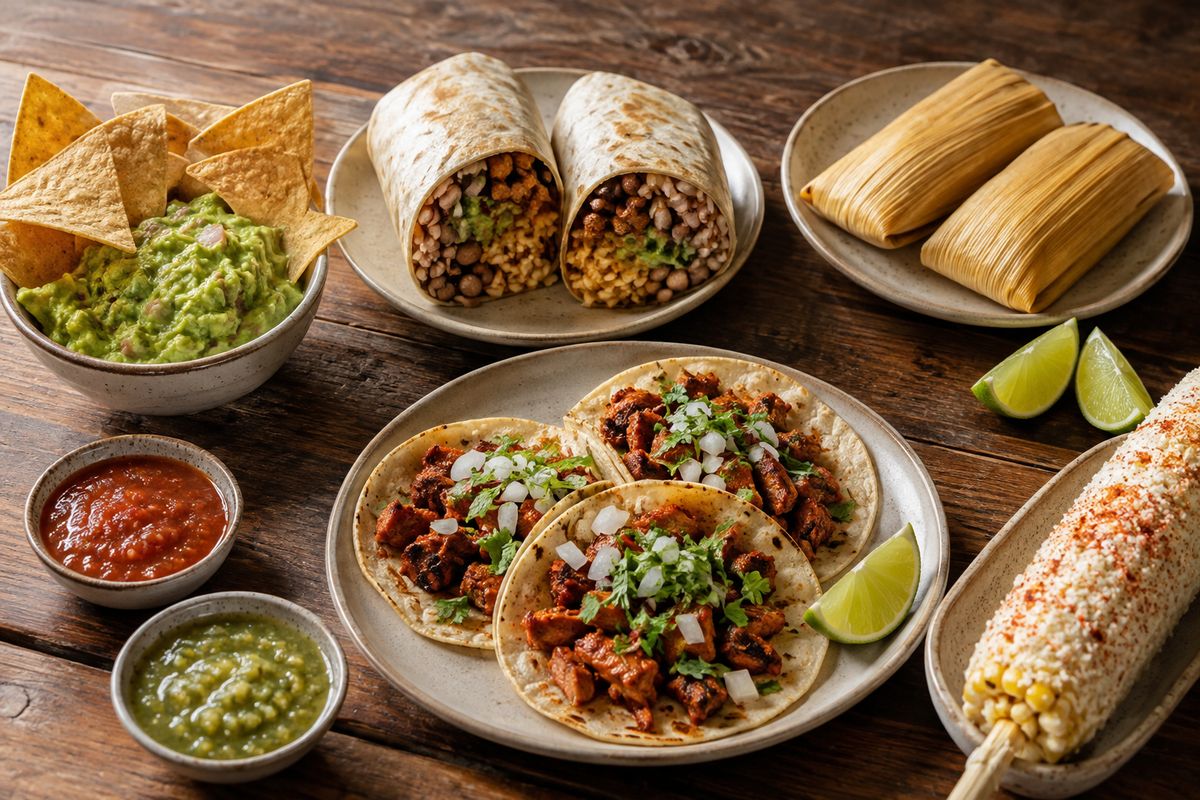
Calories in Mexican Food: Tacos, Tamales, Quesadillas and More, From USDA Data
Twenty-four Mexican and Mexican-American items USDA has actually weighed, per 100 g and per piece: a pork tamale is 247 kcal, a corn-tortilla beef taco 261, a bolillo 372, a churro 189 and a restaurant cheese quesadilla 714. Fried masa and cheese are the two things that double a dish per 100 g — and the torta, alas, has never been weighed.
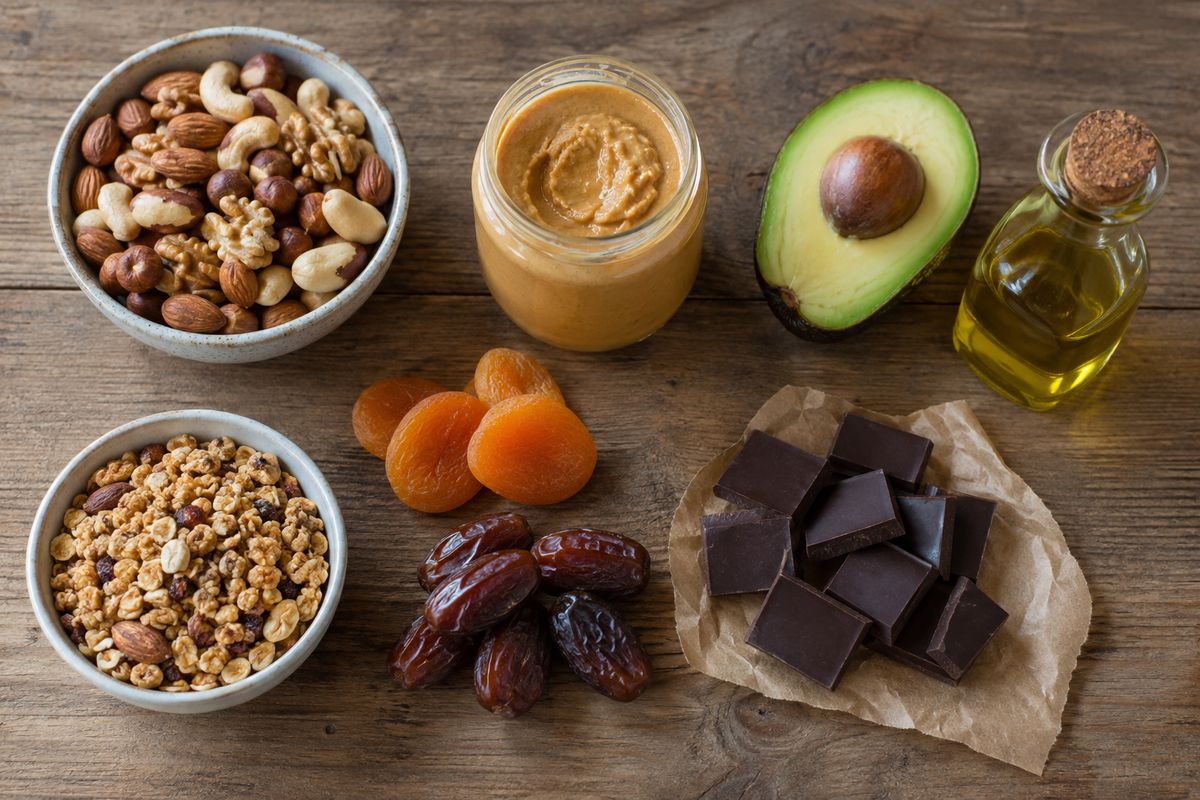
High-Calorie Foods for Weight Gain: 20 Foods Ranked by USDA Data
Twenty whole foods ranked by kcal per 100 g from USDA FoodData Central, with the portion USDA actually weighed: olive oil 884, walnuts 679, peanut butter 598, down to whole milk at 61. Then four combinations — a spoon, a drizzle, a handful and a glass — that add about 500 kcal without adding a plate.

How Many Calories Does 10,000 Steps Burn? Convert Steps to Calories
Steps are not a unit of energy, so every steps-to-calories number hides three assumptions: your weight, your pace and how long your step is. Make them explicit and 10,000 steps comes to about 413 kcal for a 70 kg walker at a moderate 3 mph (3.8 METs) and 447 kcal brisk — and only 304 to 354 kcal once you subtract what you would have burned sitting still.
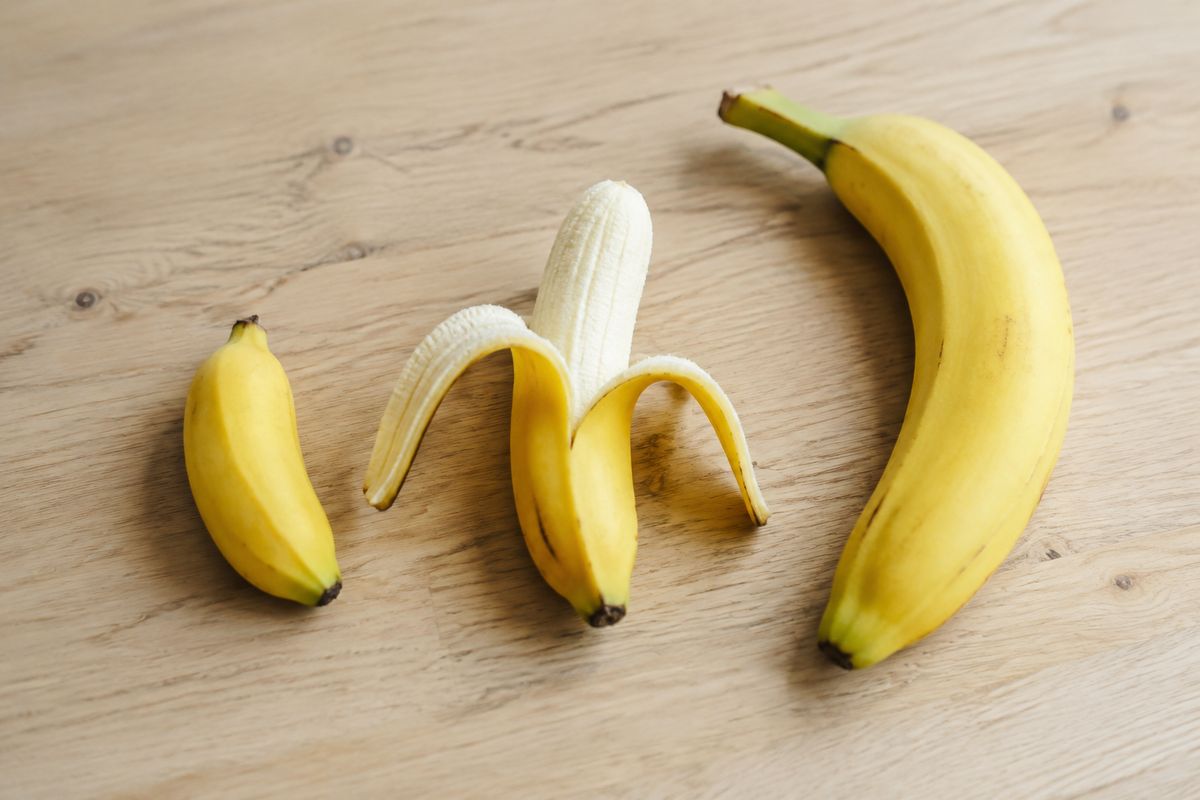
How Many Calories in a Banana? 105 for a Medium, and Size Beats Ripeness
Google says 105, and that is right for a banana that weighs exactly 118 g peeled. USDA publishes five size classes for the same fruit — 81 g to 152 g, 72 to 135 kcal — and two ripeness records that sit only 12 kcal per 100 g apart. Size is the variable; ripeness is a rounding error.
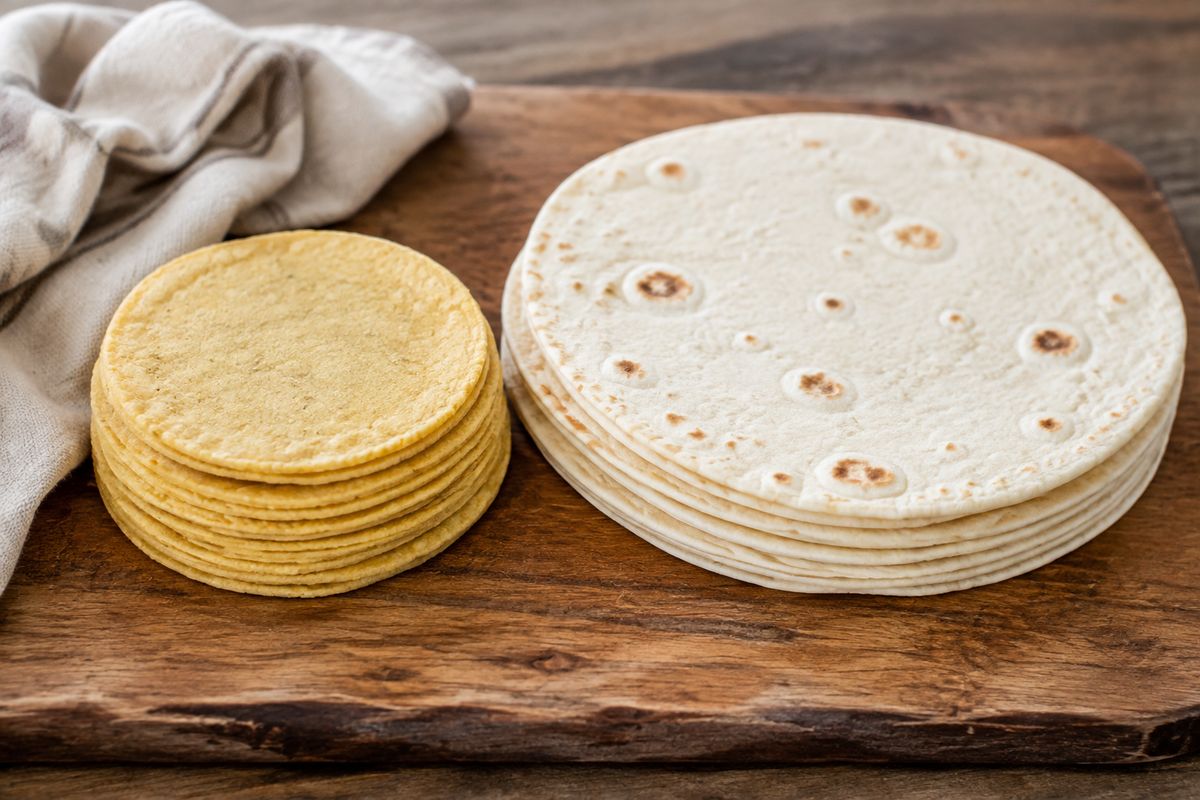
How Many Calories in a Tortilla? Corn vs Flour, by Size
USDA weighs a corn tortilla at 24 g and 52 kcal and a 6-inch flour tortilla at 30 g and 92 kcal, which is most of the corn-versus-flour argument in one line. Every size from taco to burrito, why chips are more than twice the tortilla they came from, what nixtamalization changes (calcium, not calories), and a Spanish tortilla de patatas estimated from its parts.

How Many Calories in Alcohol? A Shot of Vodka, a Beer, a Glass of Wine
Pure alcohol is 7 kcal per gram — nearly twice sugar, second only to fat. USDA weighs a 1.5 fl oz shot of 80-proof vodka at 42 g and 97 kcal, a 12 oz regular beer at 153, a 5 oz glass of red wine at 125 and a margarita at 274, and in every one of them the ethanol is most of the number. That is why “zero carb” spirits are not zero calorie.
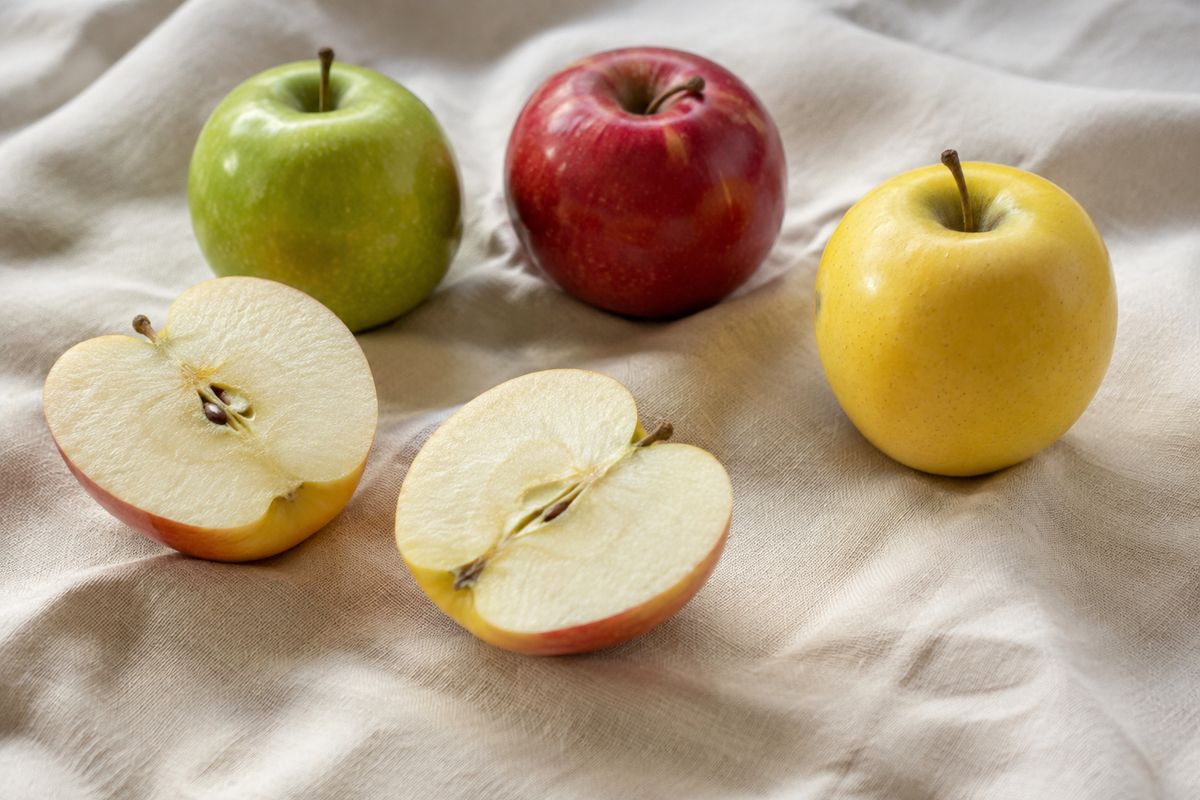
How Many Calories in an Apple? 95 for a Medium, and the Variety Barely Matters
The 95 everyone quotes is USDA’s 52 kcal per 100 g applied to a 182 g apple with its skin. USDA’s four size classes run from 53 to 116 kcal, peeling a medium apple takes off 18 kcal and half its fiber, and the five varieties USDA analysed separately span about 5 kcal per 100 g. Size first; the cultivar can wait.
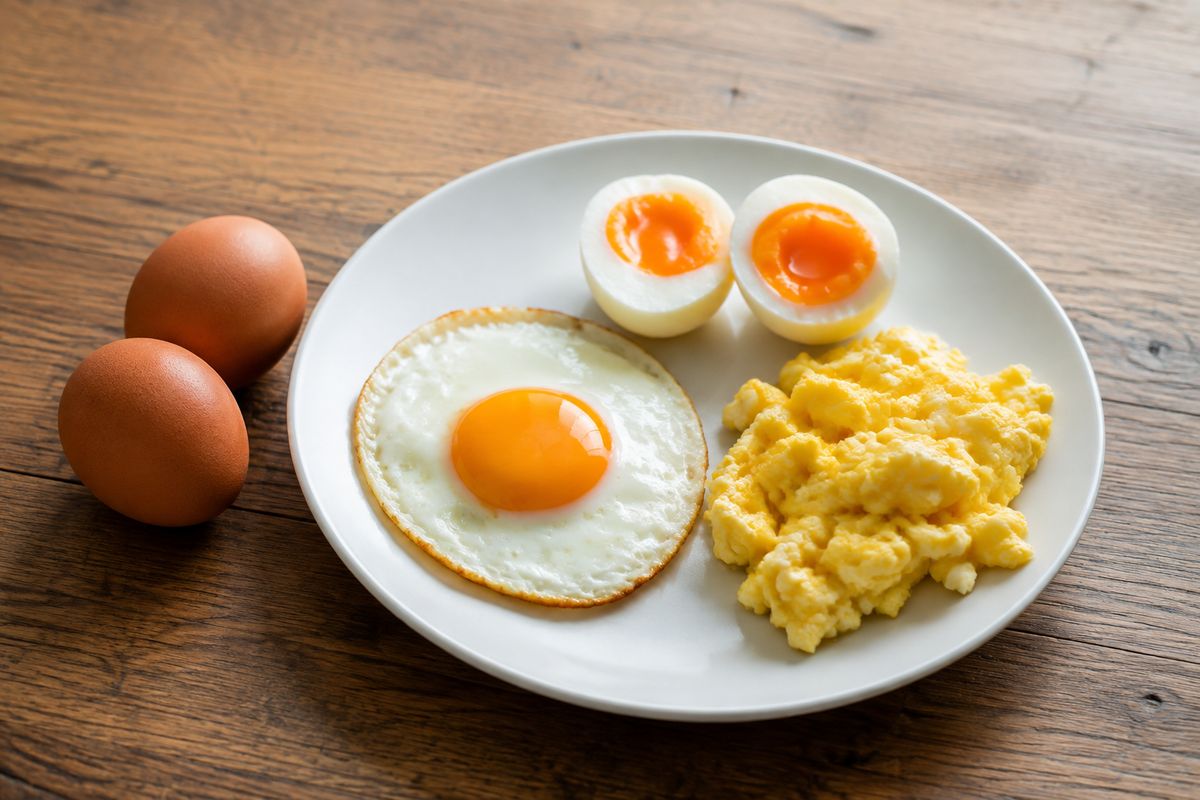
How Many Calories in an Egg? Boiled, Fried, Scrambled and by Size
One large egg is 72 kcal raw, 78 hard-boiled, 90 fried and 94 as an omelet — and the gap is not the egg, it is the fat in the pan. USDA figures for every cooking method, every carton size from small to jumbo, white against yolk, and five two-egg breakfasts added up.
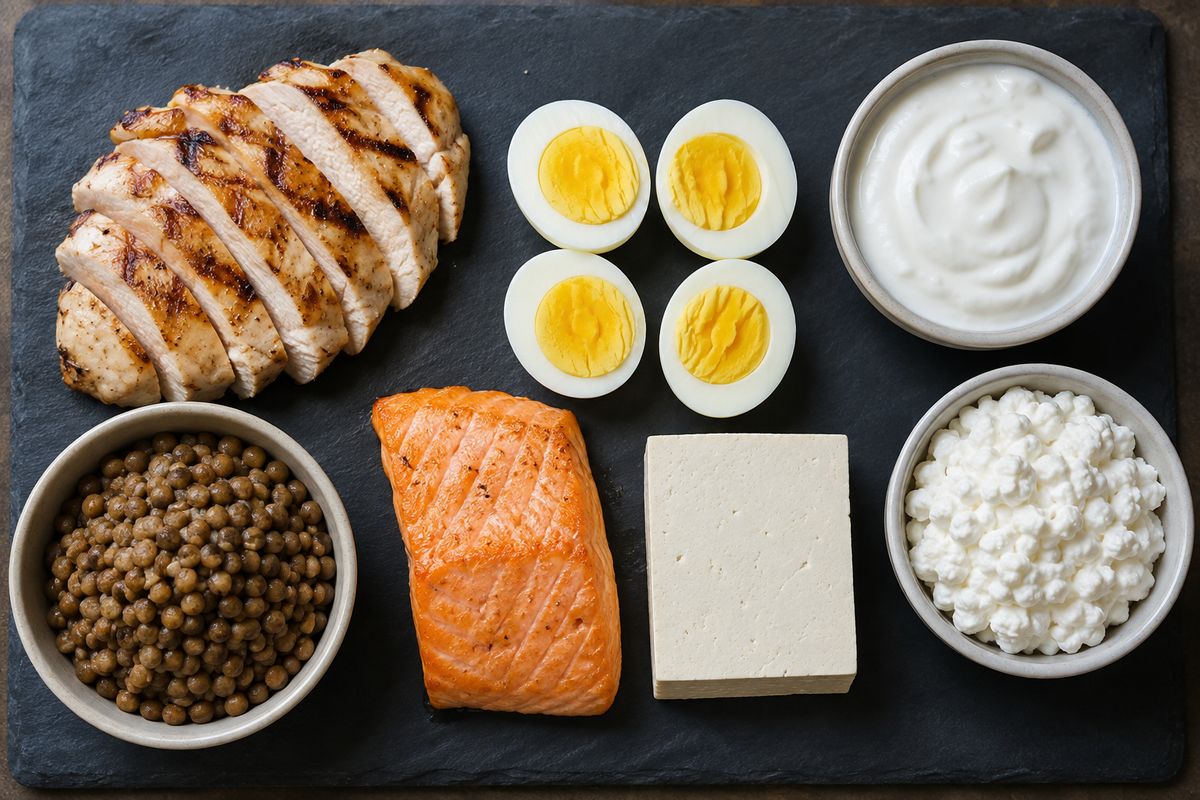
How Many Grams of Protein a Day? The RDA, Athlete Ranges and a Table by Body Weight
Three sources that publish their reasoning: the National Academies’ 0.8 g per kg RDA, the ISSN’s 1.4–2.0 g/kg for exercising people (2.3–3.1 in a deficit) and PROT-AGE’s 1.0–1.2 g/kg over 65, multiplied out for 50 to 110 kg, plus eleven foods with the USDA portion that delivers 20–30 g.
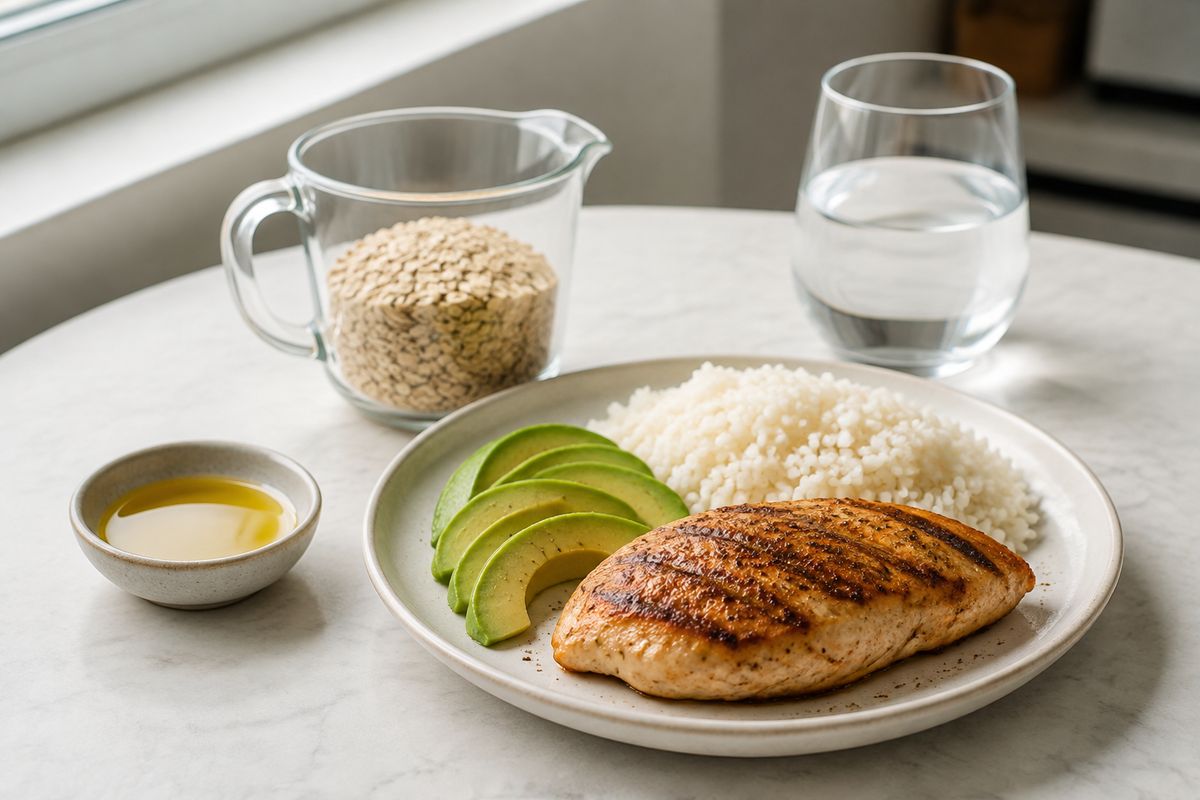
What Is a Calorie? Calories, kcal and kJ Explained With the Arithmetic
The calorie on a food label is a kilocalorie, pinned by definition to 4.184 kJ. Labels build the number from grams: protein and carbohydrate at 4 kcal each, fat at 9, alcohol at 7 — then round it and allow it to run 20 percent over. Four USDA-weighed foods show the arithmetic, and where it drifts.
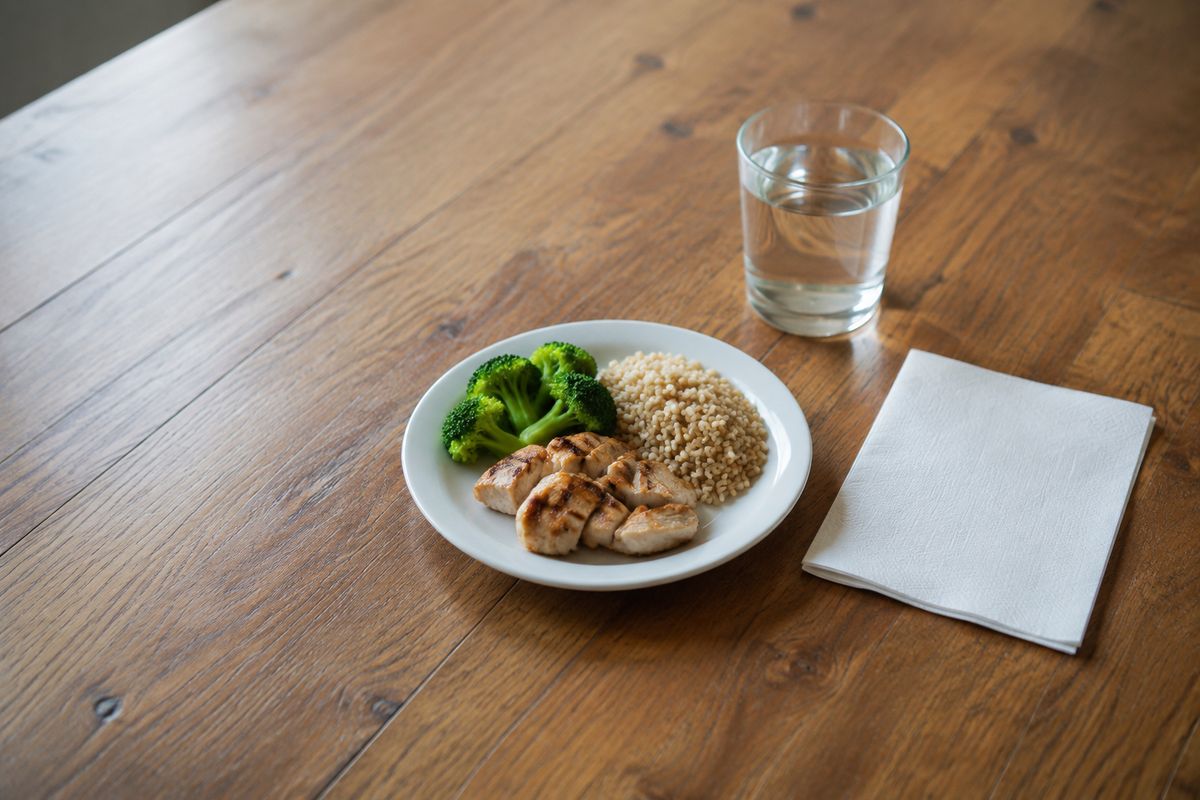
1,200 and 1,500 Calorie Diets: Where the Numbers Came From, and Who They Are Not For
1,200 kcal is not a minimum of the human body: it is a number the NHLBI expert panel wrote down in 1998 for programmes with professional supervision, and later guidelines moved it to 1,200–1,500. Here is where it came from, why the same figure cannot fit a 50 kg and a 95 kg adult, and how to work out your own floor.